

Osteopathy and Childhood: What Are the Benefits for Supporting Your Child’s Development?
The first years of life are an extraordinary time of discovery, learning, and change.
By 2026, the diaper bag had become much more than just a bag: it’s an essential everyday tool for busy parents. But with so many options on the market, how do you choose the best diaper bag for your needs? Size, material, compartments, stroller attachment… Here’s the complete guide to help you make the right choice. 🎒
A poorly designed diaper bag makes outings stressful: it’s too heavy, disorganized, and impossible to rummage through with one hand while holding the baby with the other. On the other hand, a well-designed diaper bag makes every outing a breeze, even on long days away from home.
This is often the most overlooked factor. A good diaper bag should have:
A portable changing mat is a must-have when you're out and about. Some bags have a dedicated pocket at the bottom for it—which is handy so you never forget it. If your bag doesn't have one, you'll need to bring a separate one.
Our diaper bag with a built-in portable changing mat combines both features in a waterproof 3-in-1 design—available in blue and gray.
If you use a stroller, make sure the bag has compatible hooks or straps. A bag that attaches to the stroller frees up your shoulders and makes it easier to access your belongings without having to rummage through a bag on the ground.
A diaper bag goes everywhere with parents—to the park, to a friend’s house, on weekend trips. Choose a style you like: you’ll be more inclined to use it and take good care of it. Unisex styles (black, gray, khaki) are practical for both parents to share.
For the best preparation, check out our guide on what to pack in a diaper bag —the complete checklist by age.
Yes, but with some trade-offs. A standard backpack often lacks internal organization, an insulated pocket, and a wet/dry compartment. Backpack organizers sold separately can make up for this, but a bag designed specifically for diaper changes is still more practical for everyday use.
The current trend is toward diaper bags with a "lifestyle" design—ones that don't look like diaper bags. Parents want a bag that can go from the park to a restaurant without looking out of place. Unisex models made of water-repellent nylon or waterproof canvas are the perfect fit for this demand.
For air travel or trips lasting several days, a large backpack (>25L) with multiple compartments is ideal. For daily outings, a more compact size is sufficient. Some parents have both—a large one for longer outings and a small one for quick trips.
The PetitMaxou 3-in-1 diaper bag PetitMaxou an organized bag, a waterproof compartment, and a foldable portable changing mat—all in one. Available in blue and gray, with free shipping throughout the EU.
→ See the PetitMaxou diaper bag
Having the right bag isn't enough—you also need to organize it smartly so you can find what you need in seconds:
And most importantly: pack the bag as soon as you get home, not the next morning when you’re about to leave. To know exactly what to put in each section, our comprehensive checklist on what to pack in a diaper bag will guide you item by item.
For air travel or extended stays, your everyday diaper bag just won’t cut it. You’ll need to plan ahead for carry-on liquid restrictions (baby bottles and jars of baby food are exempt if your baby is traveling with you—present them separately at security). Pack more diapers than you expect to need (one per hour of travel plus a 50% buffer for the unexpected). A large waterproof backpack (25–30L) with multiple compartments is ideal for travel. And always keep a mini diaper-changing kit handy in the stroller pocket or your purse for emergencies.
Traveling by plane with a baby requires a few adjustments to your diaper bag. The good news: baby items are exempt from the 100-ml rule for liquids in the cabin. This means you can bring bottles of breast milk or infant formula, baby food jars, and water for preparing bottles—in reasonable quantities appropriate for the duration of the flight. Present them separately at security and inform the agent that they are baby items. As for changing your baby on the plane, changing tables are available in the restrooms on most long-haul flights—ask the flight attendants if you can’t find them.
The first years of life are an extraordinary time of discovery, learning, and change.
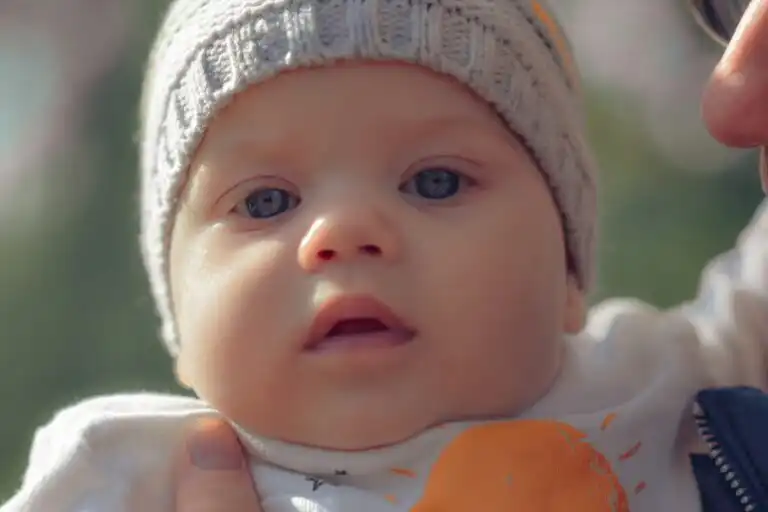
Baby sunscreen is one of the summer essentials for new parents —
Manage your cookie preferences below:
Essential cookies help the website work properly by enabling basic functions. (No marketing tracking)
These cookies are needed for adding comments on this website.
Google Tag Manager simplifies the management of marketing tags on your website without code changes.
These cookies are used for managing login functionality on this website.
Statistical cookies gather info anonymously. This helps us understand how folks use our website.
SourceBuster is used by WooCommerce for order attribution based on user source.
You can find more information in our Privacy Policy and Privacy Policy.