

Osteopathy and Childhood: What Are the Benefits for Supporting Your Child’s Development?
The first years of life are an extraordinary time of discovery, learning, and change.
The term “babysleep sack ” comes up often in conversations among new parents—but what exactly is a “ sleep sack ”? How is it different from a “ sleeping bag ”? And most importantly, how do you choose the right one to ensure safe and comfortable sleep? This guide explains it all. 🌙
“sleep sack ” is a registered trademark created in the 1960s by a French company; it has since become a common term used by millions of French-speaking parents. Just as “Frigidaire” refers to a refrigerator or “Scotch” to adhesive tape, “sleep sack ” is synonymous with a baby sleeping bag ( sleeping bag ).
A baby sleep sack , therefore, is a wearable sleeping bag: the baby slips their legs and body into it, leaving their arms free, and the closure (usually a zipper) keeps the garment in place throughout the night. Unlike a blanket, it cannot slide up over the baby’s face.
The French Society of Pediatrics and the French National Authority for Health recommend the " sleep sack " (sleeping bag) as a safe sleeping arrangement for infants. The reasons are:
TOG is the warmth rating used by the sleep sack. The reference guide:
For a standard bedroom at 18–20°C, as recommended by pediatricians, a TOG rating of 2.5 is the top choice 9 out of 12 months in France.
sleep sack is part of an essential trio for your baby’s sleep, along with the comfort toy and a soft nightlight. To establish a solid bedtime routine, check out our guide to baby sleep from 0 to 12 months.
Yes—the " sleep sack " is a registered trademark that has become a generic term. In stores, you'll find the same products sold under names such as "sleeping bag ," "sleep sack ," or "baby sleeping bag." They all meet the same European safety standards.
From birth, with a 0–6-month style featuring armholes designed for infants. There are even special sleep sacks for premature babies.
Switch to a lower TOG rating or remove a layer of clothing. If a baby is sweating at night, they are too warm—the back of their neck should feel warm and dry, not hot and clammy.
Sleeping bags with TOG ratings of 0.5, 1, and 2.5 made from OEKO-TEX-certified organic cotton, featuring a two-way zipper with chin guard: PetitMaxou offers the right sleep sack for every season. Free shipping throughout the EU.
→ See baby sleep sacks and swaddles PetitMaxou
Les turbulettes de qualité se trouvent chez les spécialistes puériculture, les enseignes bio/naturelles et les boutiques en ligne spécialisées bébé. Méfiez-vous des prix très bas (< 15 euros) sur les grandes marketplaces — la qualité du garnissage et des emmanchures peut être insuffisante pour garantir la sécurité. Le budget raisonnable pour une bonne turbulette : 30 à 60 euros selon le TOG et la matière. Un investissement qui se rentabilise rapidement quand on considère les 300-400 nuits utilisées avant le passage à la taille suivante.
A baby sleep sack is one of the most practical baby gifts—and one that’s least likely to be a duplicate, unlike onesies and stuffed animals. Give a set that includes a TOG 2.5 “ sleep sack ” and a TOG 0.5 “ sleep sack ” to cover both seasons, or invest in a high-quality, adjustable model. For more useful gift ideas, check out our selection of unique baby gifts.
To summarize this guide on sleep sack Bebe in a few key points:
PetitMaxou selects all of its products based on these strict criteria. Our team is available to help you if you’re having trouble deciding between several models. Free shipping throughout the European Union; returns accepted within 14 days.
Our blog is full of practical guides to help you through the first few months with your baby. Here are a few articles on this topic that might interest you:
Parents who have chosen our products regularly share their feedback. The most common comments are about the quality of the materials, how easy the products are to use on a daily basis, and their long-lasting durability. Many parents use our products for their second or third child after a positive first experience. This encourages us to maintain our rigorous selection standards. Feel free to check out the customer reviews on each product page to learn from parents whose babies are the same age as yours. Reviews are verified and published without moderation.
The first years of life are an extraordinary time of discovery, learning, and change.
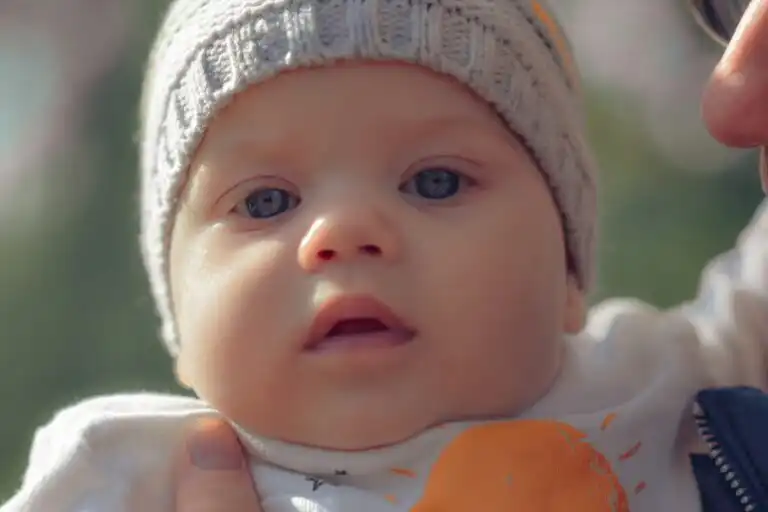
Baby sunscreen is one of the summer essentials for new parents —
Manage your cookie preferences below:
Essential cookies help the website work properly by enabling basic functions. (No marketing tracking)
These cookies are needed for adding comments on this website.
Google Tag Manager simplifies the management of marketing tags on your website without code changes.
These cookies are used for managing login functionality on this website.
Statistical cookies gather info anonymously. This helps us understand how folks use our website.
SourceBuster is used by WooCommerce for order attribution based on user source.
You can find more information in our Privacy Policy and Privacy Policy.