
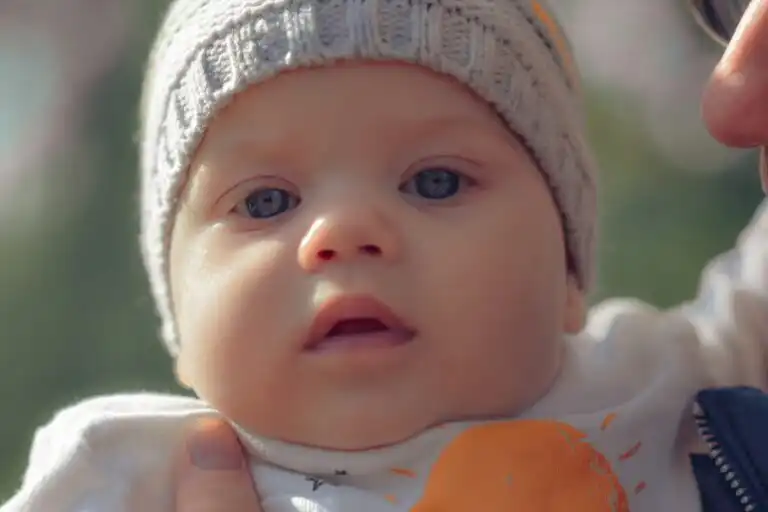
Baby sun cream: how to choose the best protection this summer 2026?
Baby sunscreen is one of the summer essentials for young parents —
The first few years of life are an extraordinary period of discovery, learning and change. Between the first smiles, the first steps and the numerous developmental milestones, a child's body evolves at an impressive speed. It is in this context that osteopathy and childhood are increasingly associated by certain parents who wish to support their child's well-being in a holistic way.
To provide care suited to infants and young children, practitioners undergo a osteopathy training complete before being able to practise. Many then choose to hone their skills through specialised supplementary training in paediatrics in order to better understand the specifics of child development and to use particularly gentle techniques.
Without replacing the care provided by the paediatrician or other healthcare professionals, osteopathy is sometimes used as a complementary approach. But what does it actually involve? At what age can you consult? And in what situations do some families choose to use it?
Osteopathy is a manual therapy that focuses on the mobility of the body's various structures: muscles, joints, ligaments, fasciae and tissues. The osteopath's objective is to assess areas showing reduced mobility in order to promote a better balance of the body through gentle manipulations adapted to the patient's age.
In infants and young children, the techniques used are particularly delicate and take their development into account.
Every child is different and grows at their own pace. Nevertheless, some parents decide to consult an osteopath in various situations, particularly after a difficult birth or when they observe certain discomforts in their baby.
The most common reasons for seeking medical advice include:
It is important to remember that in the presence of concerning symptoms, significant pain or illness, a medical consultation remains essential.
Childhood is punctuated by numerous milestones: learning to walk, starting school, taking part in sports activities and even growth spurts.
During these periods, the body is constantly adapting. Some children may experience muscle tension after a fall, intense physical activity or prolonged poor posture.
In these cases, some families choose to supplement their medical care with osteopathy sessions to help their child achieve greater comfort.
A child's wellbeing does not depend solely on the care they receive. Their everyday environment also plays an essential role.
A suitable mattress, an ergonomic high chair, an ergonomic baby carrier or shoes that respect the morphology of the foot all contribute to the child's comfort as they grow.
Floor play time is also precious. It allows babies to naturally develop their motor skills, balance and coordination without constraint.
Everyday habits can help your child's comfort:
These small gestures contribute to good motor development and offer the child greater freedom of movement.
Even though some parents appreciate the benefits they observe after an osteopathy session, it never replaces a medical diagnosis.
In the event of a fever, severe pain, persistent loss of appetite, breathing difficulties, trauma or any other worrying symptom, it is essential to consult a doctor promptly.
Osteopathy acts solely as a complementary approach when deemed appropriate.
Not all osteopaths work with infants or young children. Before booking an appointment, it is advisable to check that the practitioner has specific training in paediatrics and is accustomed to treating children.
Please feel free to ask questions about his experience, how a session works and the techniques he uses. A consultation always takes place respecting the child's pace, without any rough handling.
Every child grows differently and has their own needs. A balanced diet, restful sleep, a secure environment, plenty of exercise and regular medical check-ups remain the pillars of their development.
For some families, osteopathy represents a complementary approach to help promote their child's comfort and well-being at different stages of their growth. The key is always to surround oneself with qualified professionals and to place the child's health at the centre of decision-making.
Growing up peacefully is above all the result of a set of small daily attentions, a caring environment and attentive listening to the needs of each child.
Baby sunscreen is one of the summer essentials for young parents —
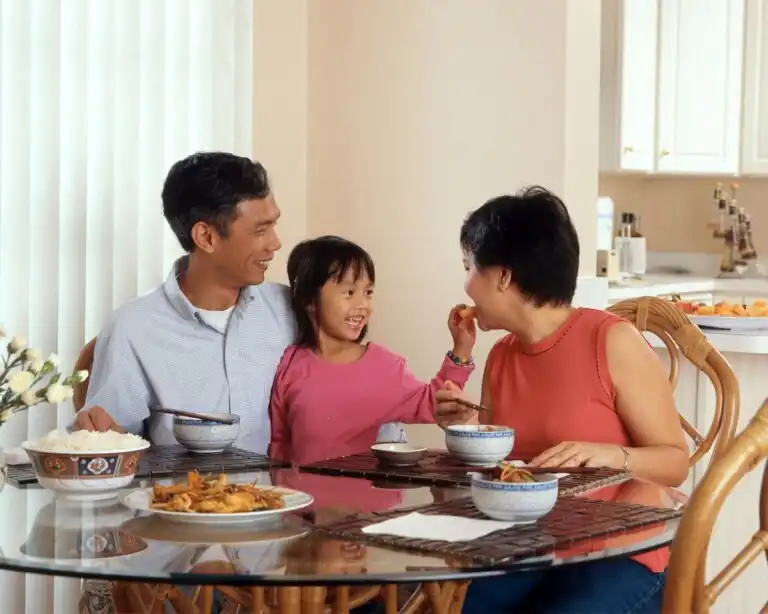
The baby high chair is the essential mealtime accessory that allows baby to join the
Manage your cookie preferences below:
Essential cookies enable basic functions and are necessary for the website to work properly. (No MARKETING)
These cookies are needed for adding comments on this website.
Google Tag Manager simplifies the management of marketing tags on your website without code changes.
These cookies are used for managing login functionality on this website.
Statistical cookies collect information anonymously. This information helps us to understand how visitors use our website.
SourceBuster is used by WooCommerce for order attribution based on user source.
You can find more information in our Privacy Policy and Privacy Policy.