




Games
Baby development toys: stimulating the senses and curiosity from the earliest months
At PetitMaxou, we have selected baby early-learning toys that support your child's sensory, motor and cognitive development, so they learn while having fun. Whether for a newborn or an older baby, our early-learning games and Montessori toys follow every stage of growth.
Showing 1–16 of 40 resultsSorted by popularity
-
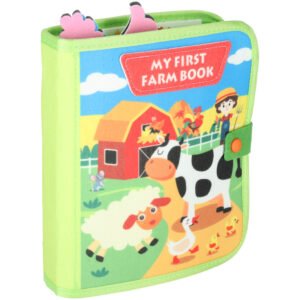
Montessori Farm Cloth Book — Felt Busy Book with 6 Finger Puppets, from 3 Years
29,90 € Add to basket -
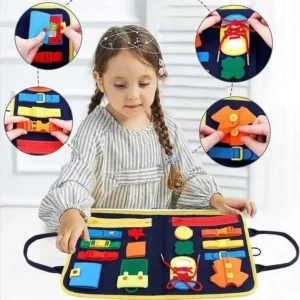
Montessori busy board case — Learn independence while having fun
28,10 € Choose options This product has multiple variants. The options may be chosen on the product page -
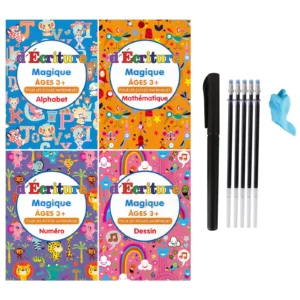
Magic Handwriting Workbook 3+ – Complete Alphabet, Maths, Number & Drawing Pack
Price range: 29,90 € through 33,90 € Choose options This product has multiple variants. The options may be chosen on the product page -
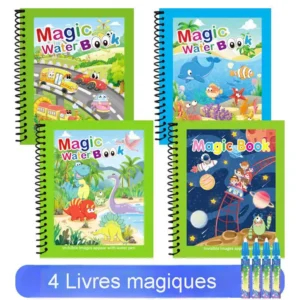
Reusable Magic Water Book — Mess-Free Colouring
24,40 € Add to basket -
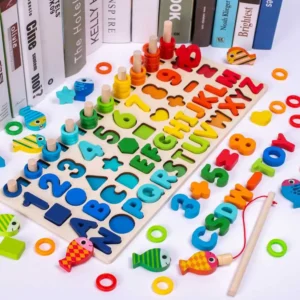
Wooden Montessori educational board – alphabet and numeration learning from 2 years old
Price range: 39,90 € through 42,90 € Choose options This product has multiple variants. The options may be chosen on the product page -
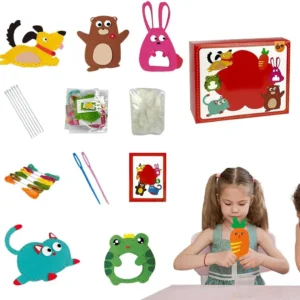
Felt Animal Sewing Kit — Children's Creative Activity from age 4
19,90 € Add to basket -
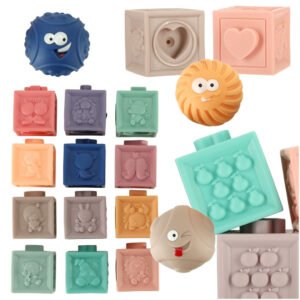
Soft Sensory Baby Blocks — 12 Number and Animal Blocks + 3 Balls, Developmental Toy from 6 Months
27,65 € Add to basket -
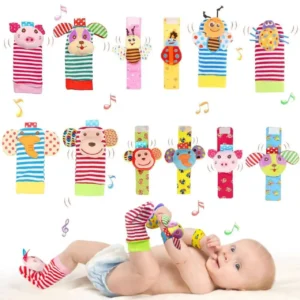
Set of 4 Baby Rattle Wristbands and Socks — Sensory Development from Birth
19,90 € Choose options This product has multiple variants. The options may be chosen on the product page -
Sale!
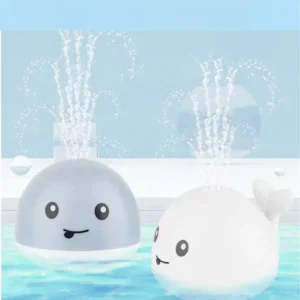
Baby Light-Up Bath Whale — Water Fountain & Coloured Lights
Original price was: 38,60 €.29,90 €Current price is: 29,90 €. Choose the color This product has multiple variants. The options may be chosen on the product page -
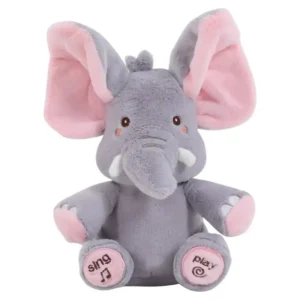
Interactive Elephant Plush Toy - Musical Animated Baby Elephant Toy
34,90 € Add to basket -
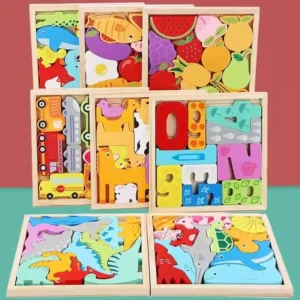
Wooden Montessori toy – Educational puzzle for baby and child fine motor skills
16,20 € Choose options This product has multiple variants. The options may be chosen on the product page -
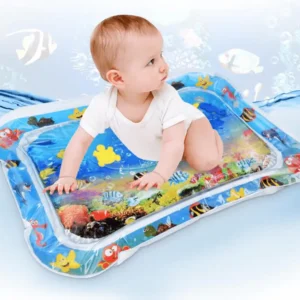
Inflatable Baby Water Mat — Safe & Fun Water Play Area
28,50 € Add to basket -
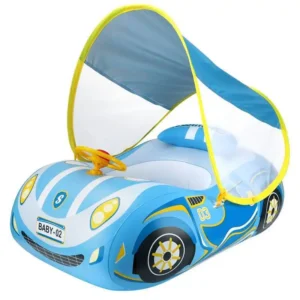
Baby Car Pool Float
33,30 € Choose the color This product has multiple variants. The options may be chosen on the product page -
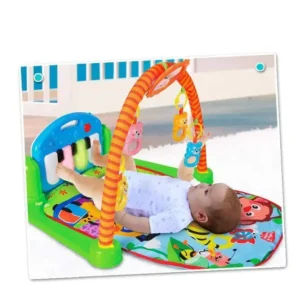
Baby play gym with piano – Multifunctional musical play mat for newborns
57,90 € Add to basket -
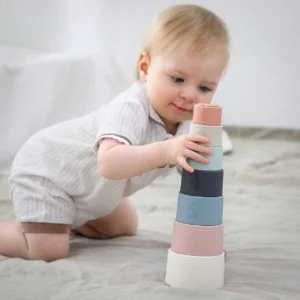
Stackable baby cups – Developmental toy for stacking, nesting and stimulating fine motor skills
25,60 € Choose the color This product has multiple variants. The options may be chosen on the product page -
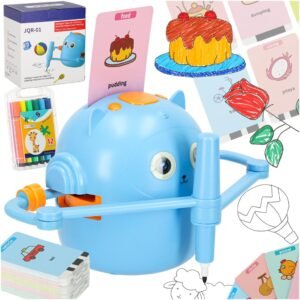
Kids' Drawing Robot — 100 Model Cards and 12 Felt-Tip Pens, Learn to Draw from 3 Years
44,90 € Add to basket
Why baby early-learning toys are essential
From the very first weeks, baby begins to perceive their surroundings. Colours, sounds, textures and movements catch their attention and stimulate a brain that is developing fast. Early-learning toys are not a luxury: they genuinely support the infant's sensory, motor and cognitive development. Well chosen, they encourage grasping, hand-eye coordination, understanding cause and effect, and first social interactions. Our selection of baby early-learning toys and Montessori toys supports every age, from birth to 3 years.
Our games and toys by theme
To find the right toy faster, our range is organised into five themes: baby sensory toys for the first months, Montessori and educational toys for learning through hands-on play, water and bath toys for bath time and summer, baby walkers, balance bikes and tricycles in our “Let's roll!” section, and finally interactive toys that move, light up and respond.
Choose carefully according to baby’s age
At 3 months, babies discover contrasts and start to grasp: choose lightweight rattles, play mats with arches and high-contrast fabric books. At 6 months, they sit up, put everything in their mouth and understand cause and effect: stacking cups, teething rings and musical toys become essential. From 12 months, it's time for role-play toys, early stacking shapes and board books.
To help you choose, check out our age-by-age development guides: 3 month baby developmental toy and 6-month baby development toy.
The Montessori approach at PetitMaxou
Our selection favours simple toys made from natural materials, without electronic overstimulation. The Montessori approach is based on a few key principles: one concept per toy, natural materials (wood, cotton, food-grade silicone), clean shapes and respect for baby's own pace. The idea is not to pile up toys but to offer the right ones at the right time — even rotating them to keep interest alive.
Safety first
Before offering a toy, we check the strength of the seams, the absence of small detachable parts, the quality of the wood finishes and the ergonomics of the shapes. Always check the minimum age stated on each toy.
Frequently asked questions
How many toys does a baby need? Far less than one might imagine. Five to eight varied toys are more than enough for a baby under one year old. Quality and rotation matter more than quantity.
Wooden or plastic toy: which to choose? Both have their place. Wood is durable, aesthetic and ecological. Quality plastic (BPA-free) is lightweight, washable and colourful. What matters is the manufacturer's quality and compliance with standards.
Are musical toys useful? In moderation. A simple cause-and-effect toy stimulates a baby’s understanding. But toys that are too bright and noisy can overstimulate them. A good balance: 70% simple toys, 30% interactive toys.