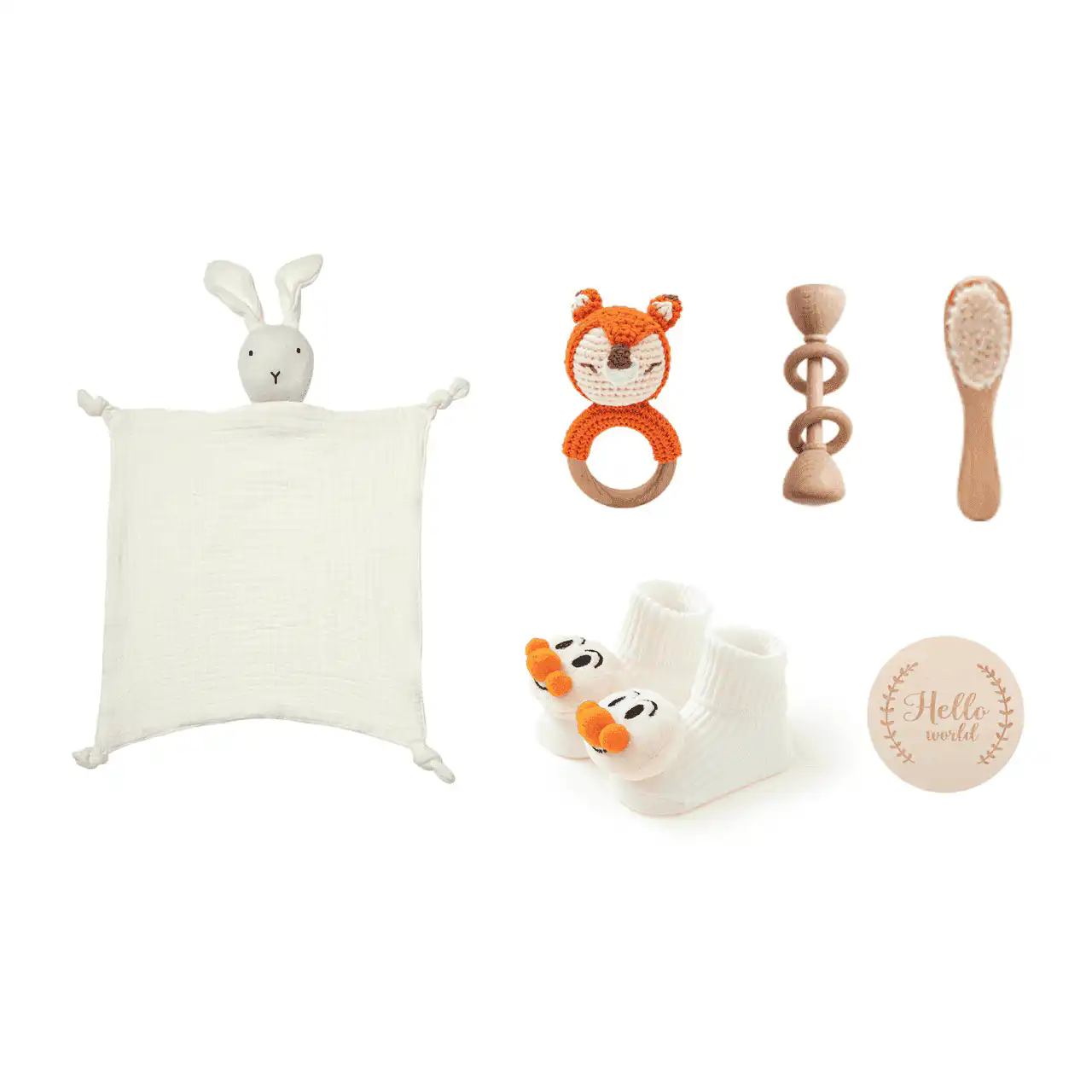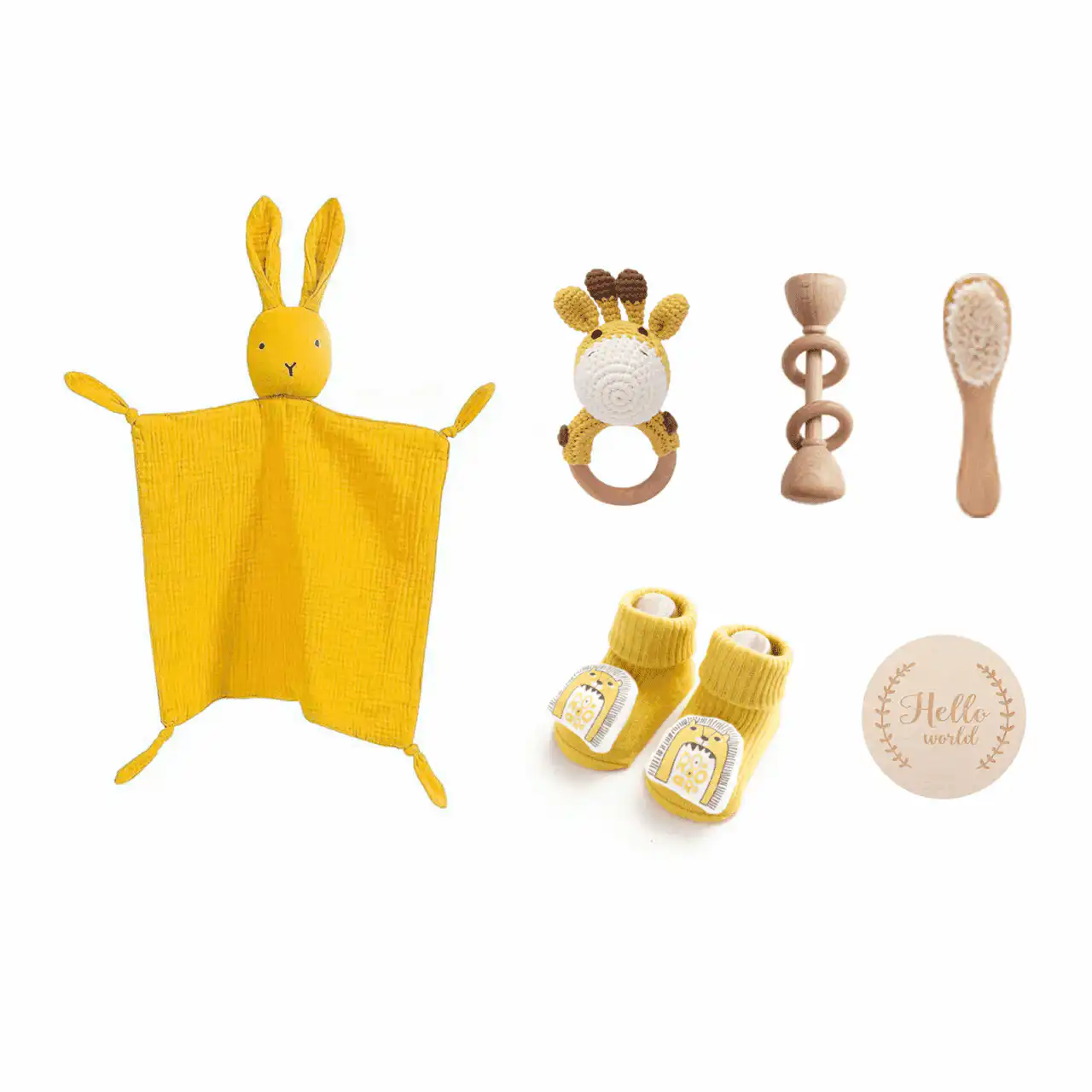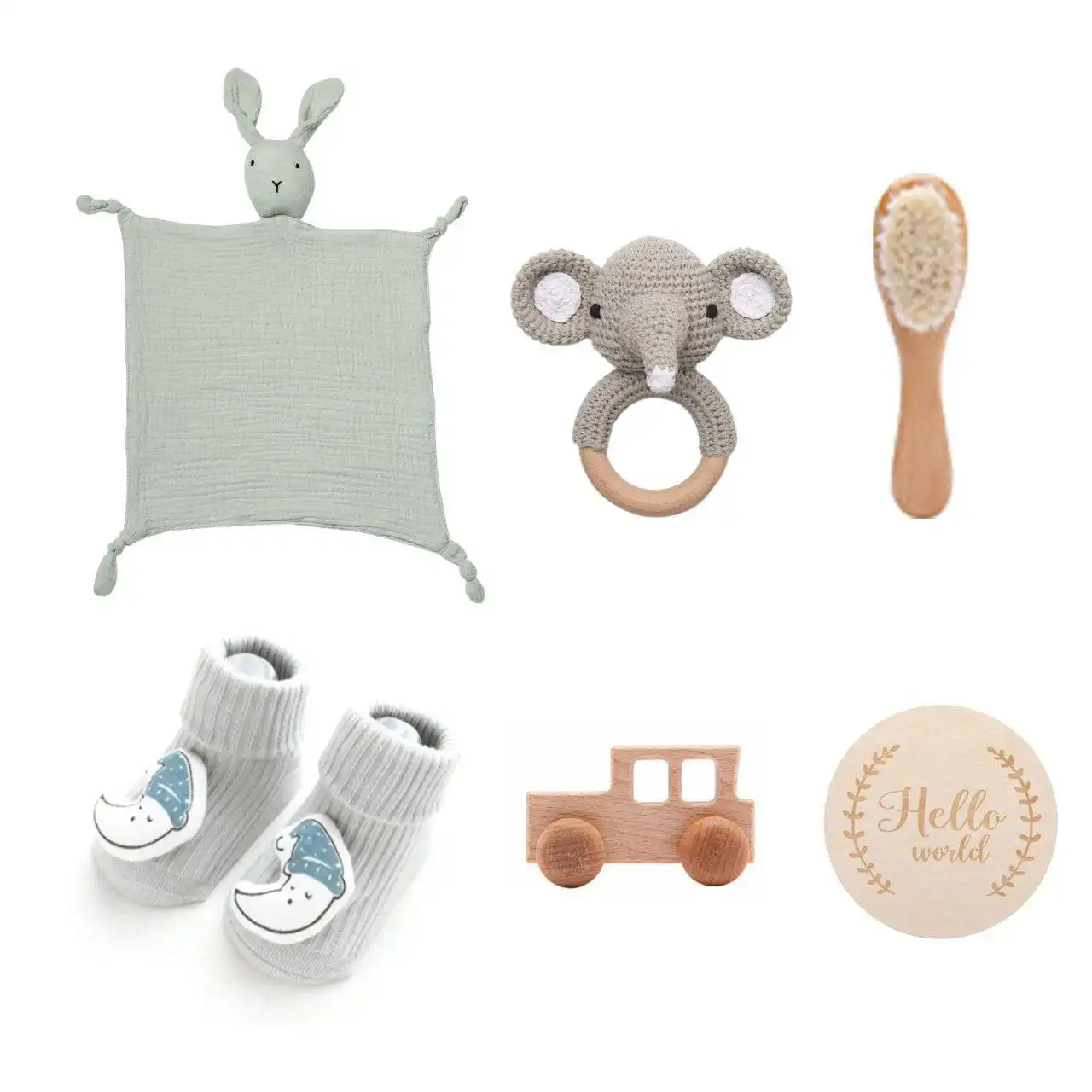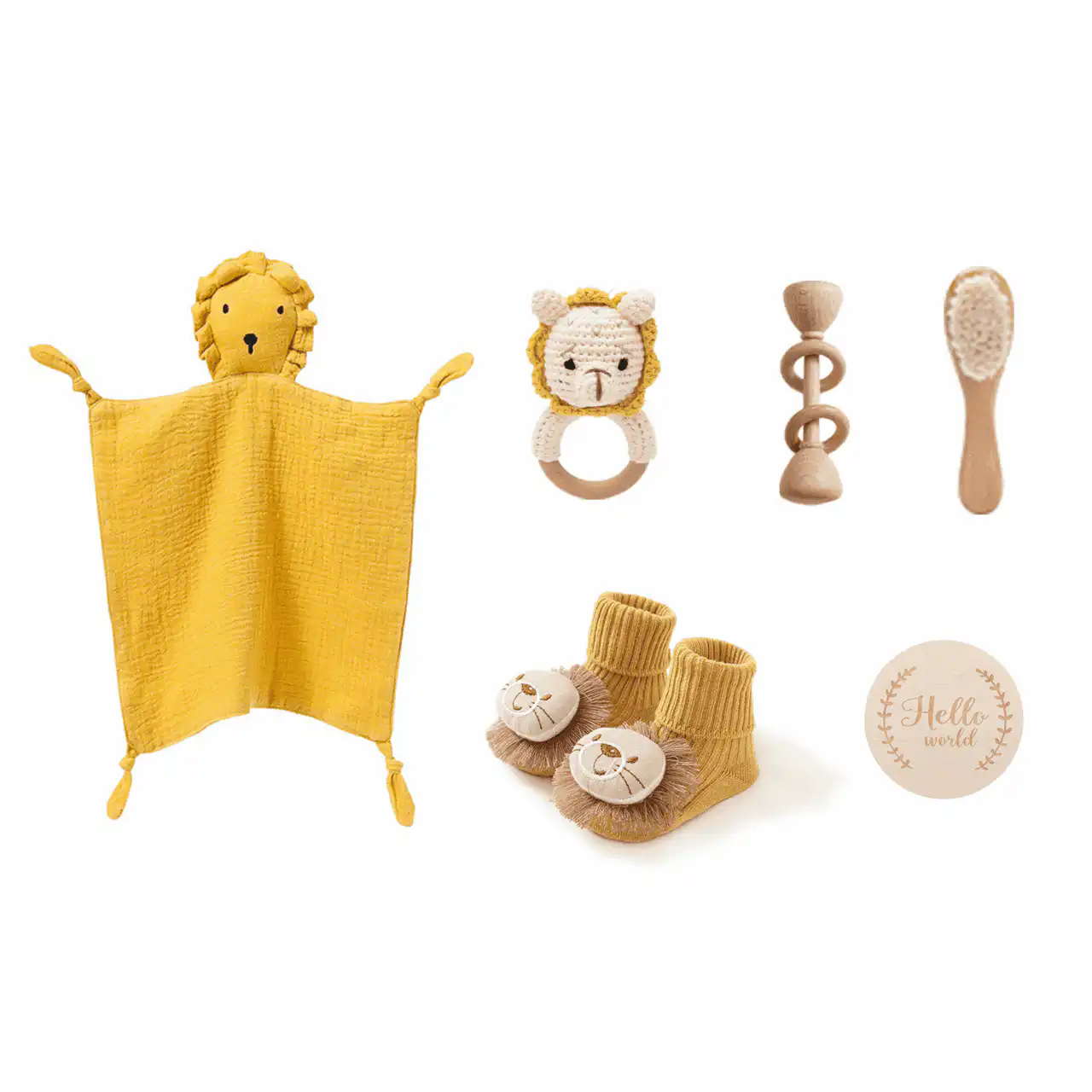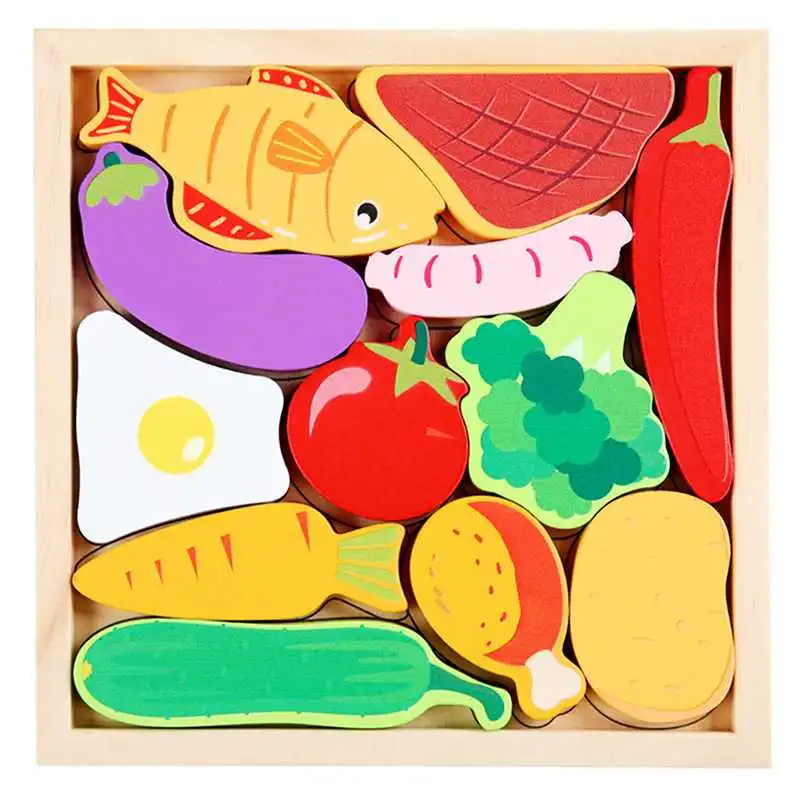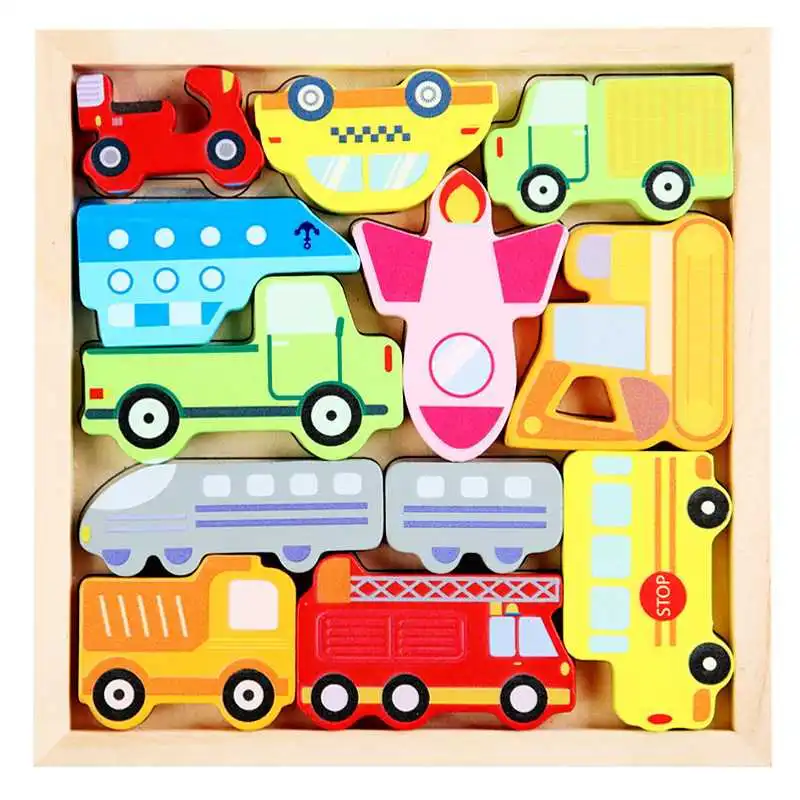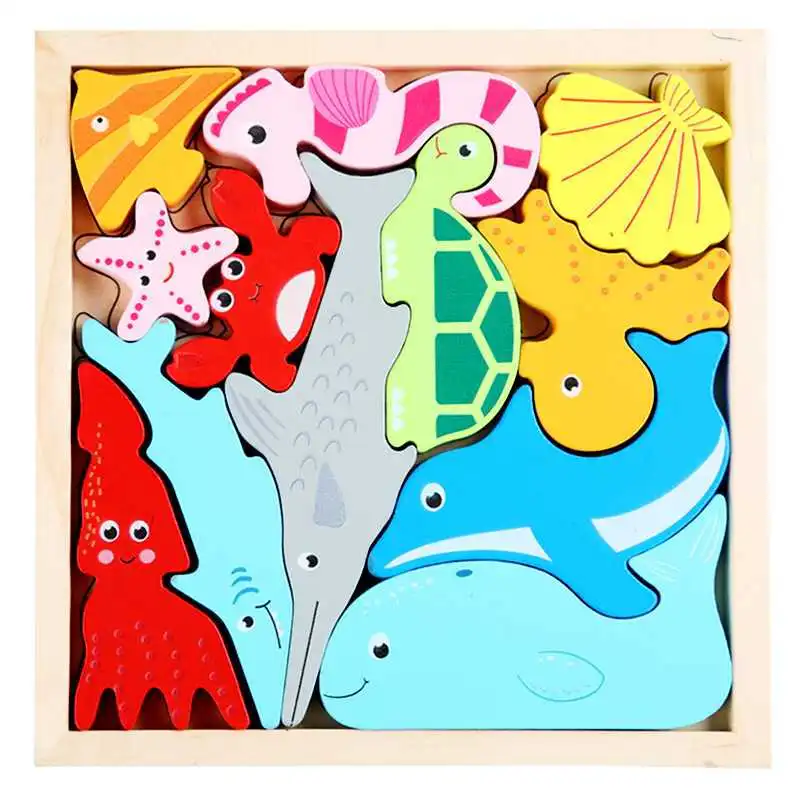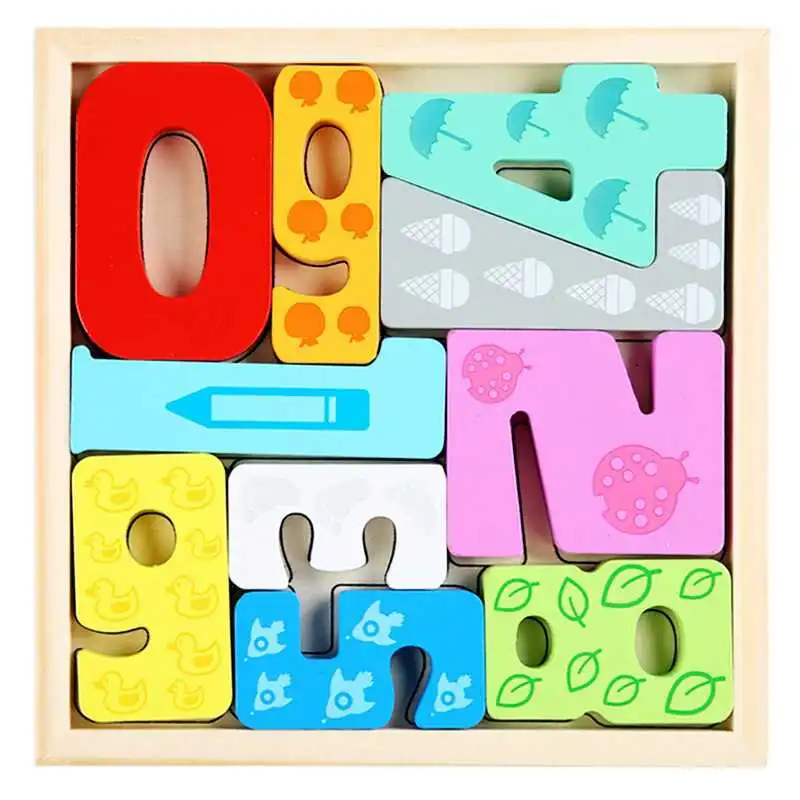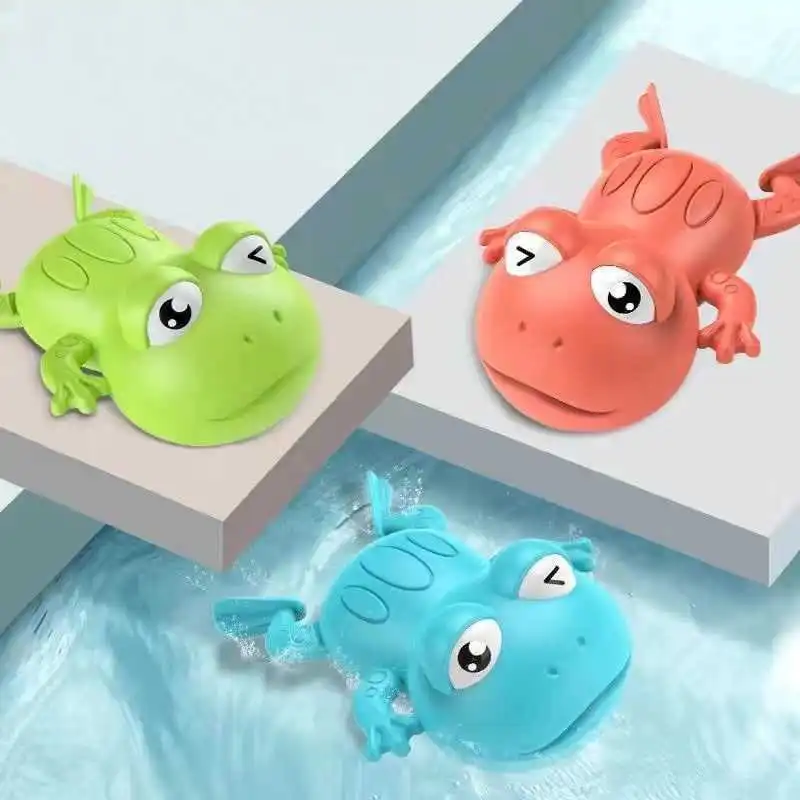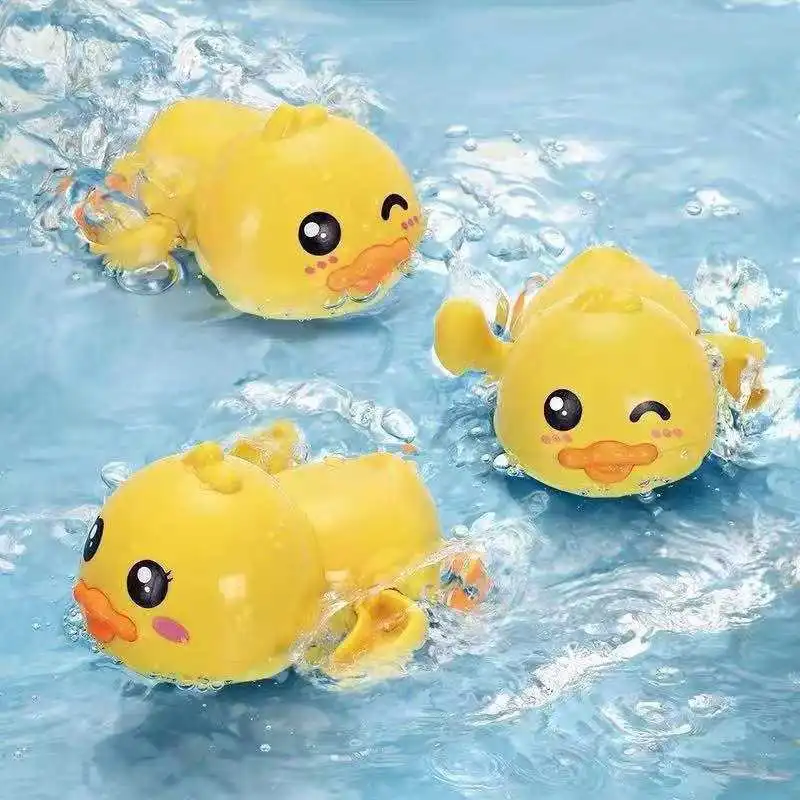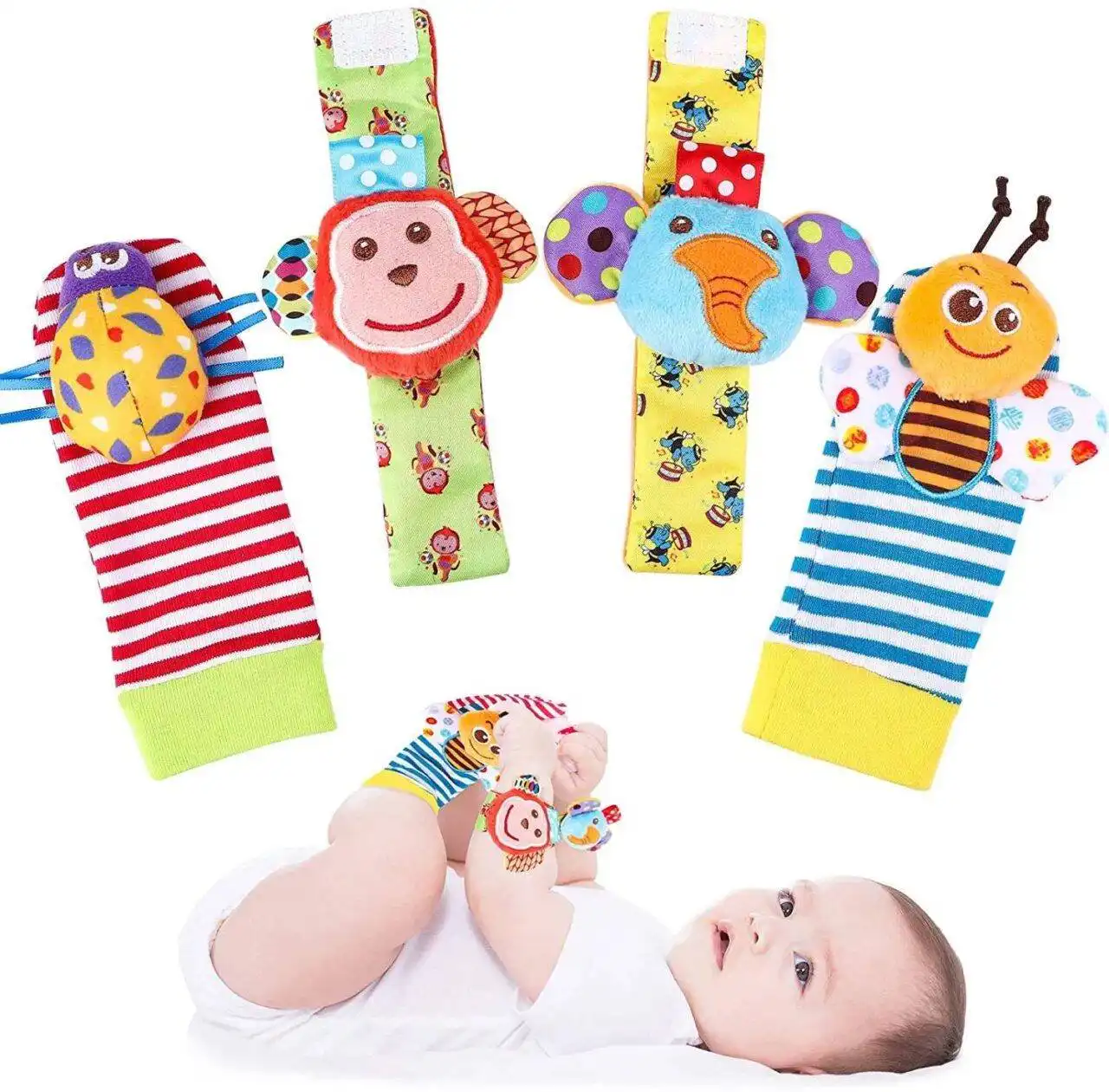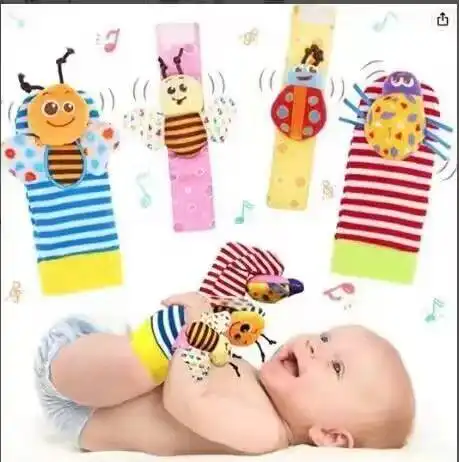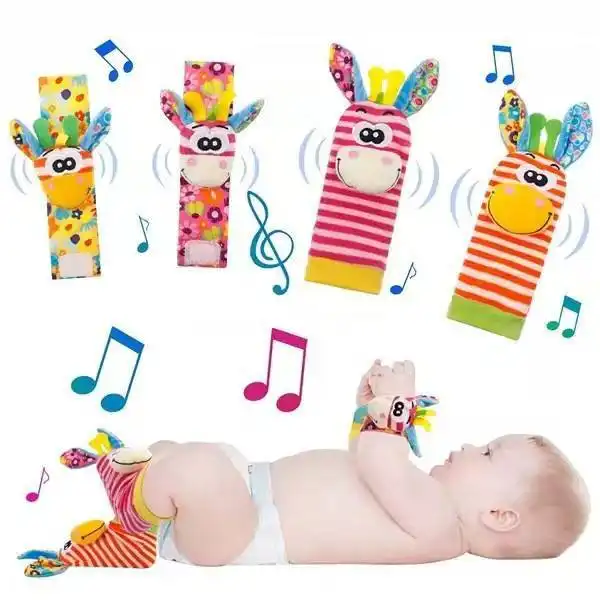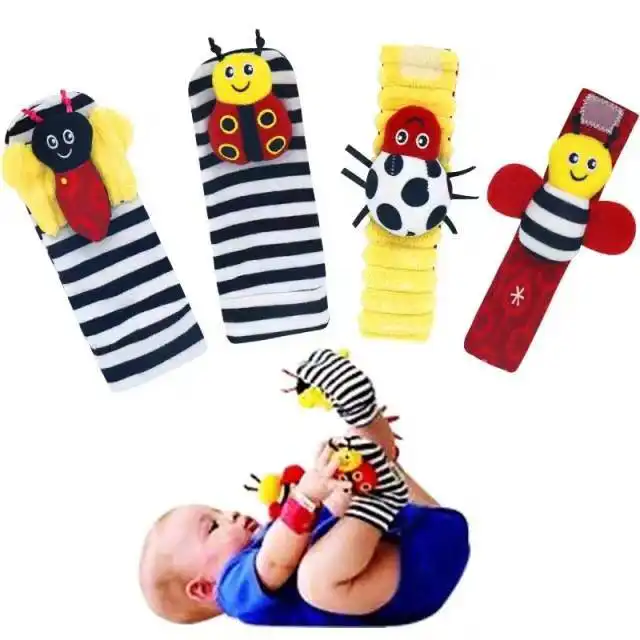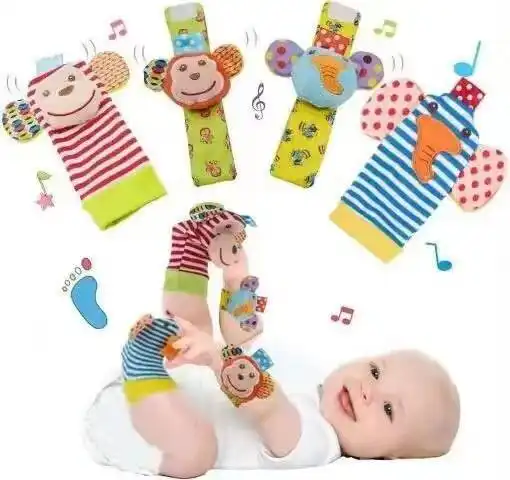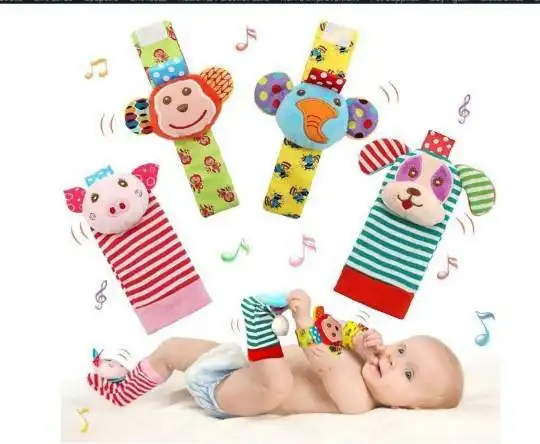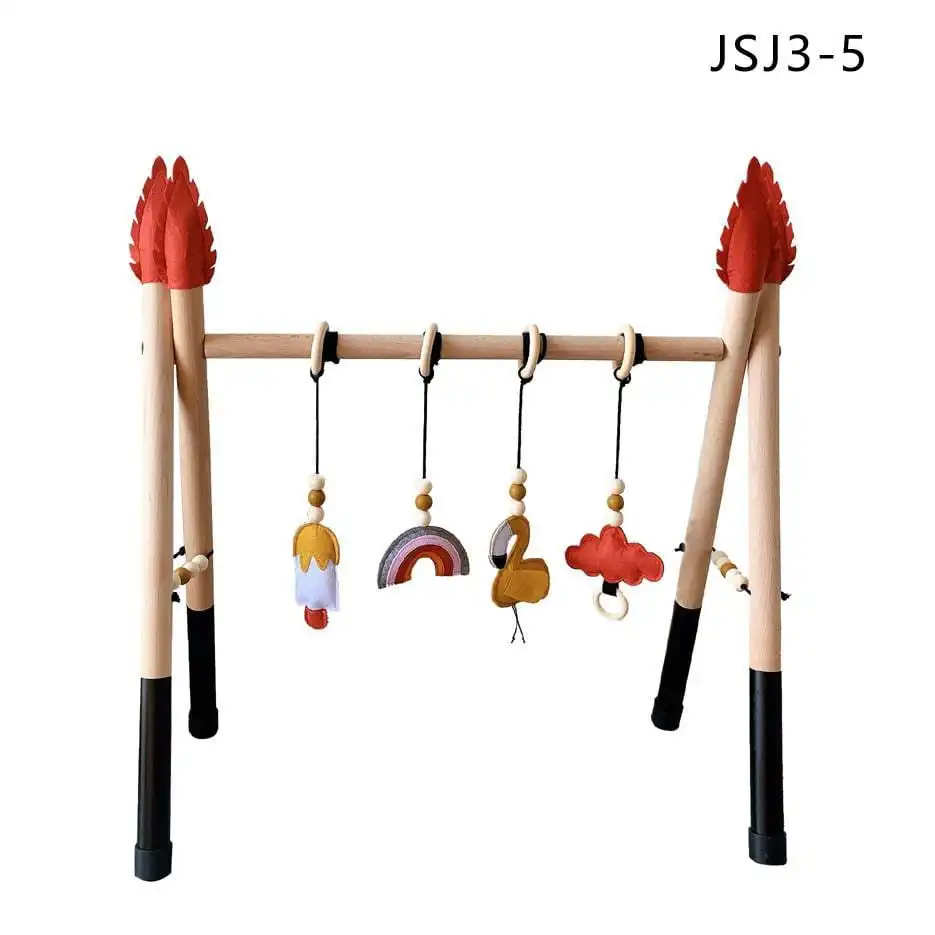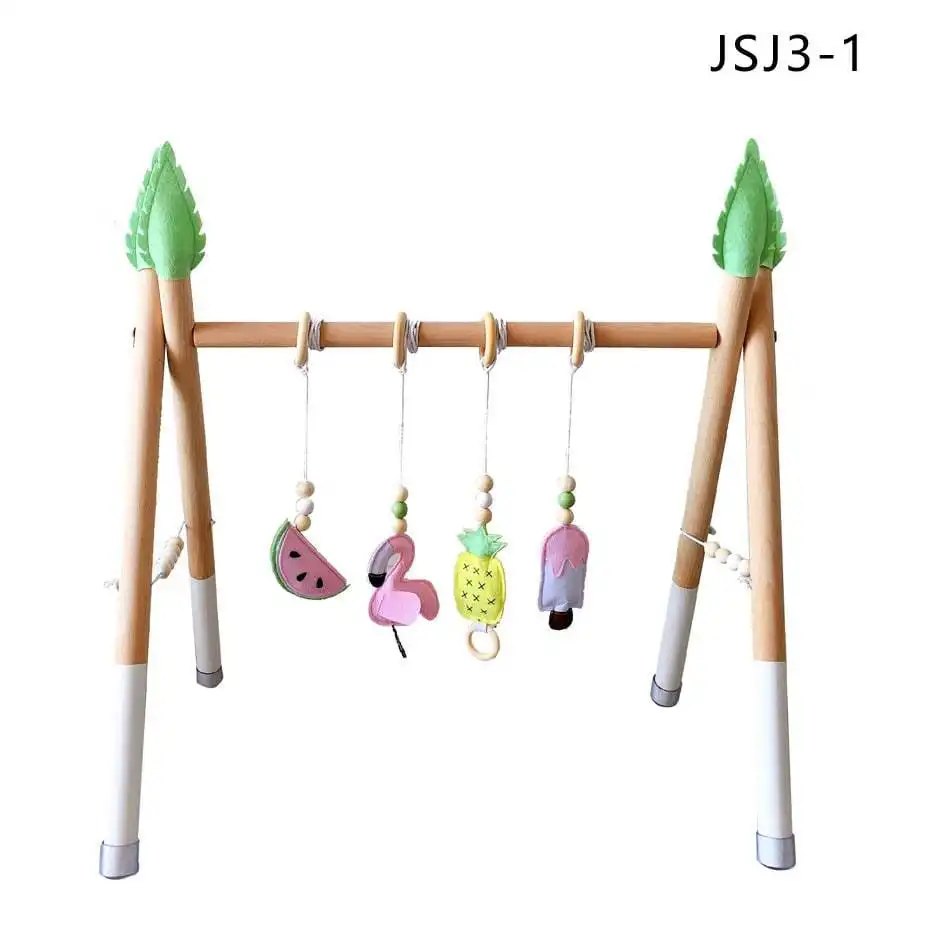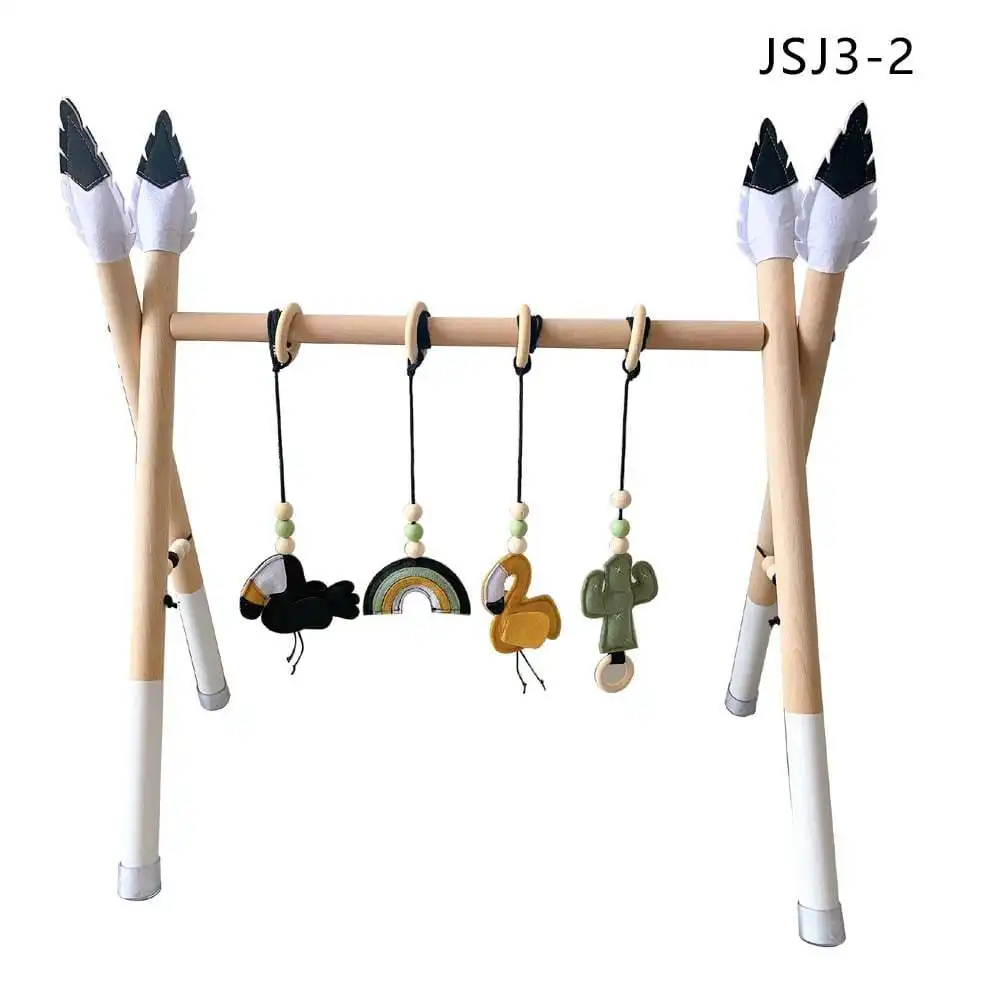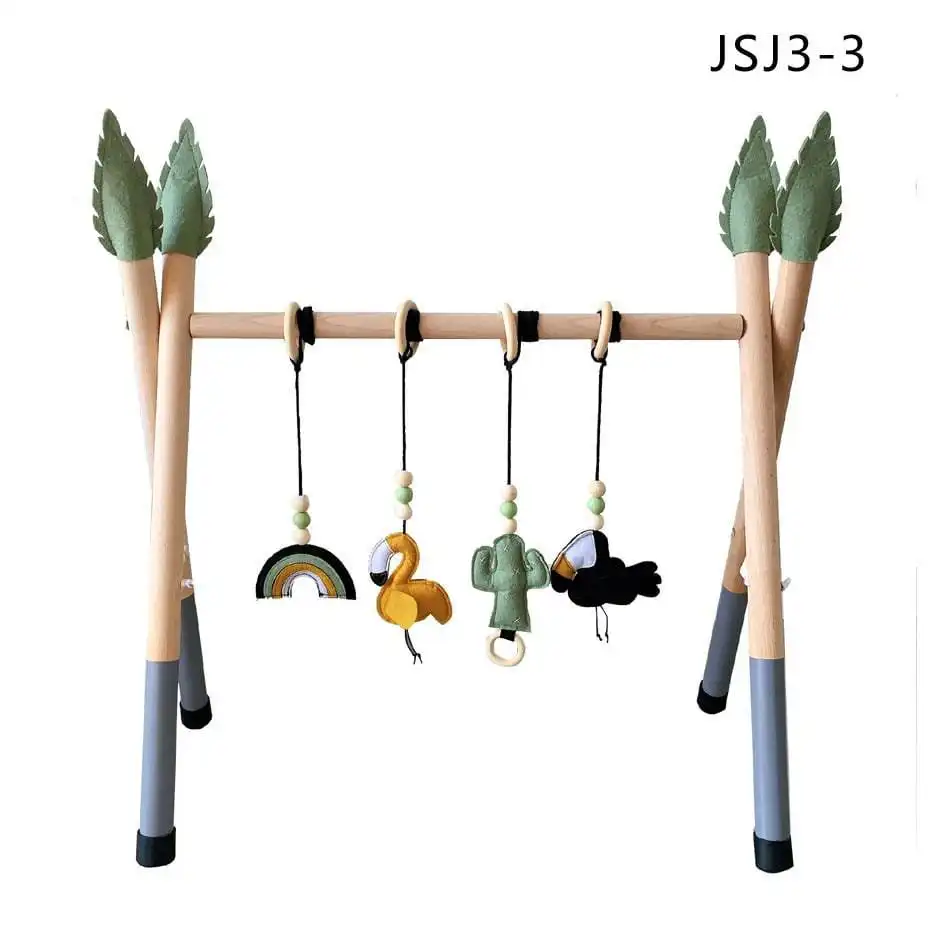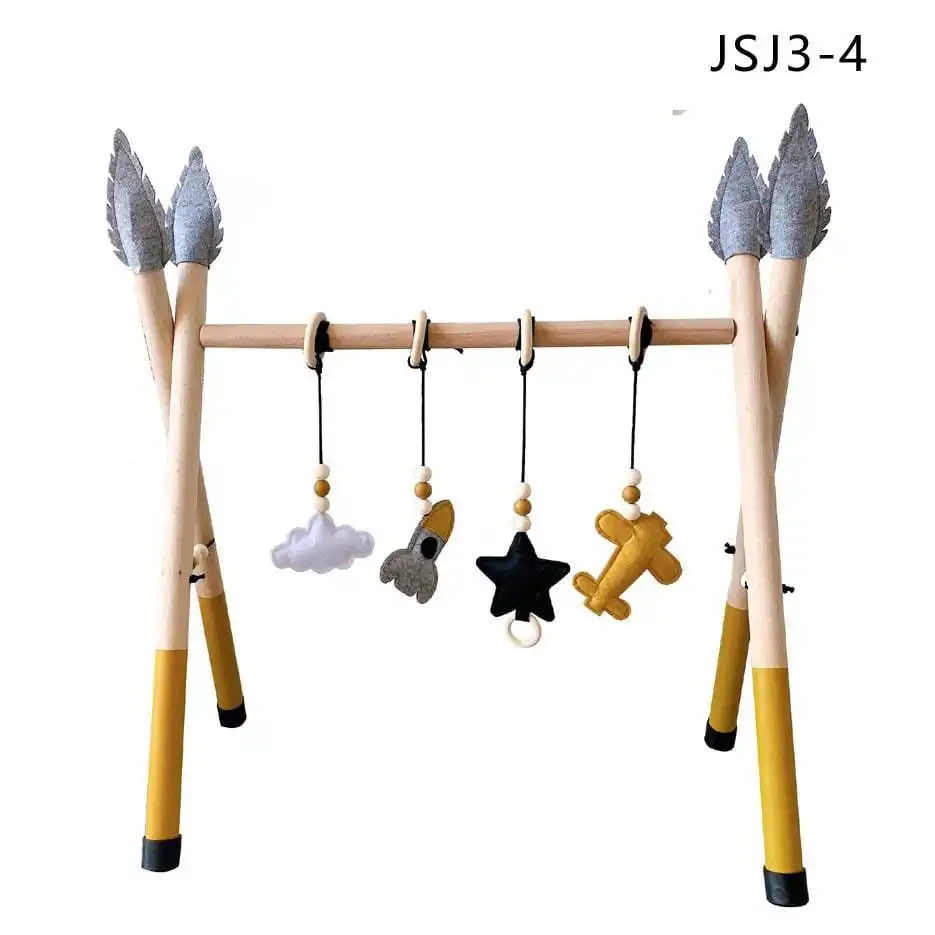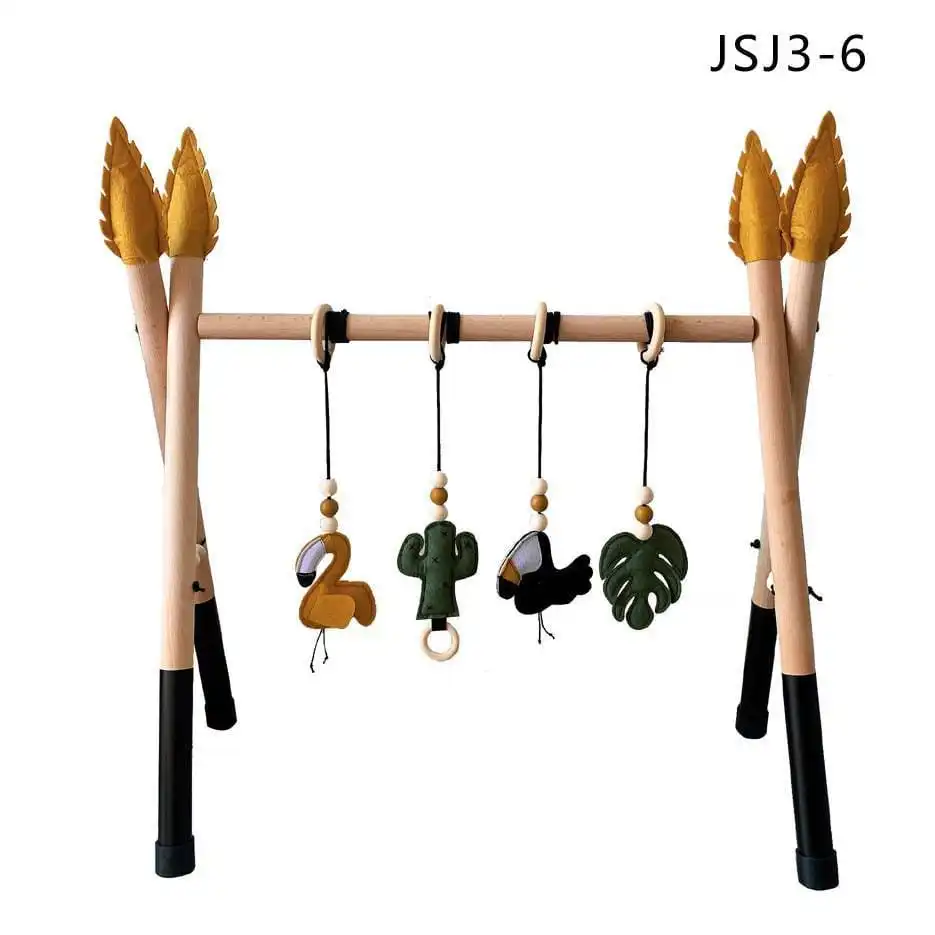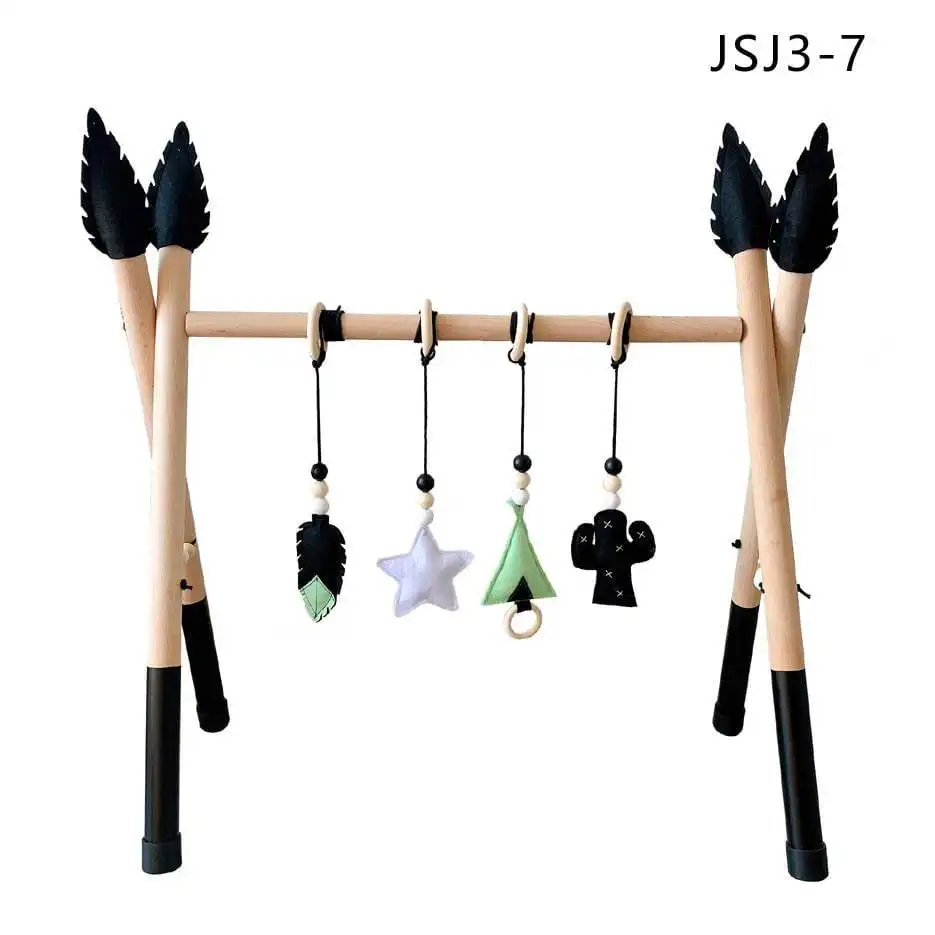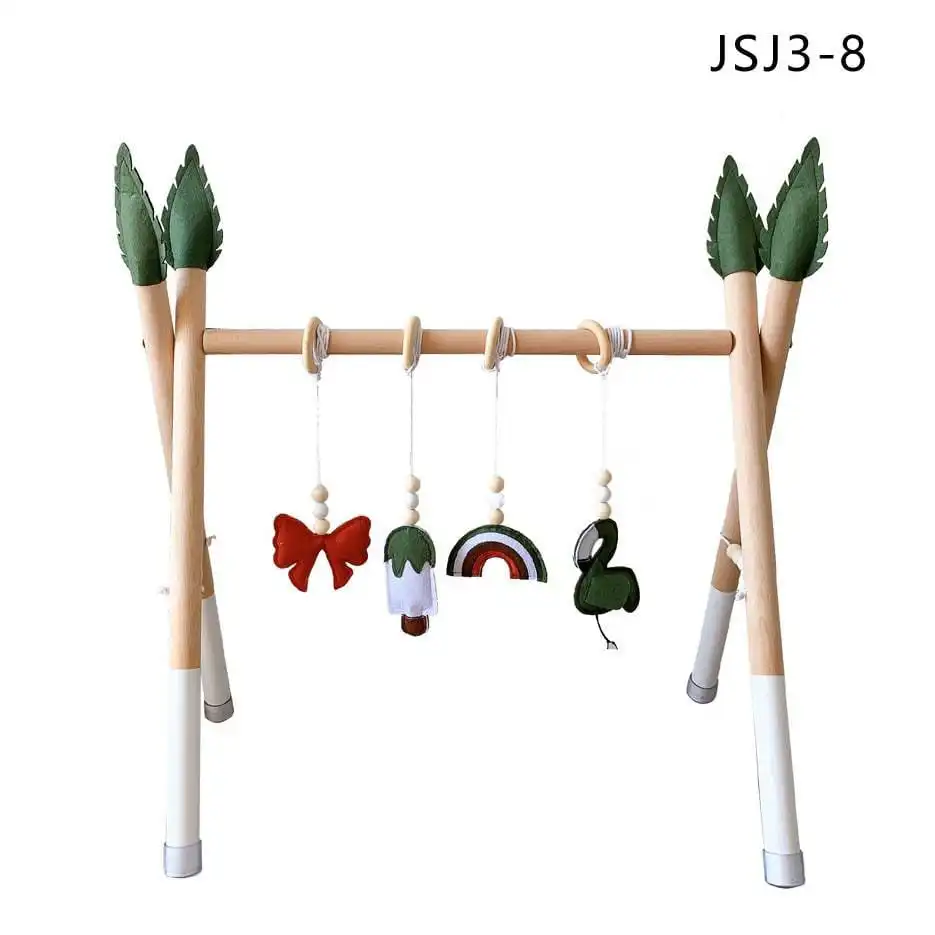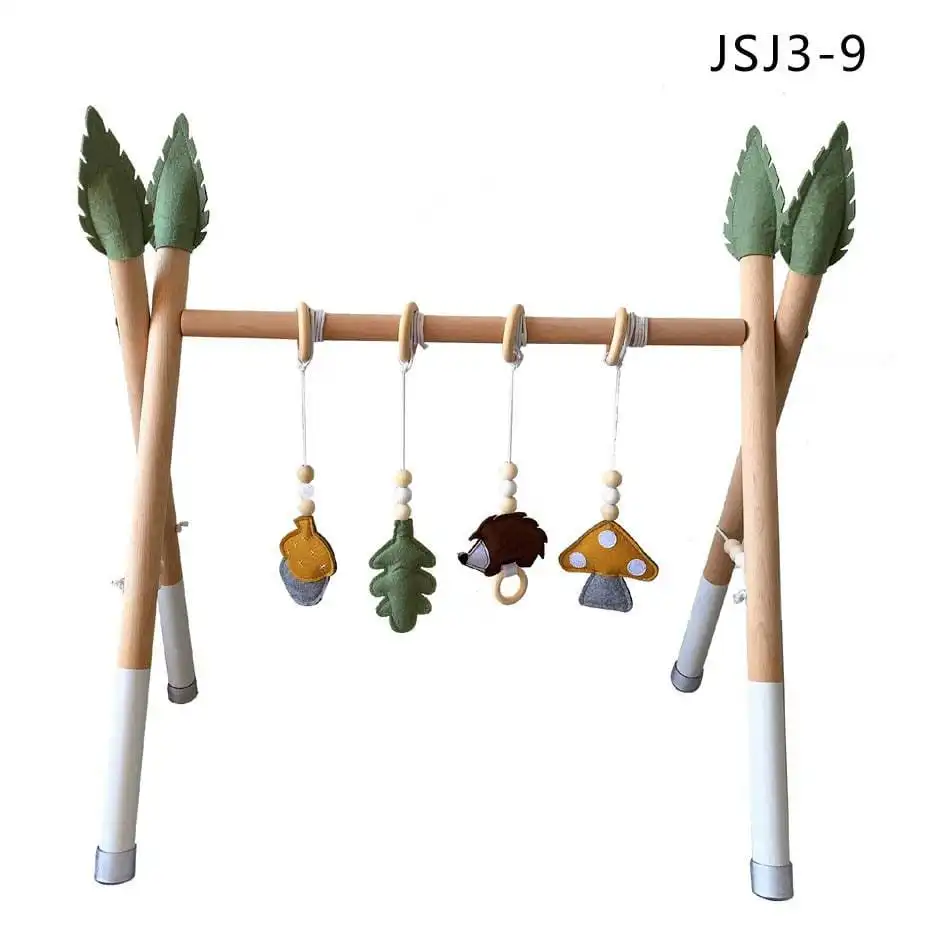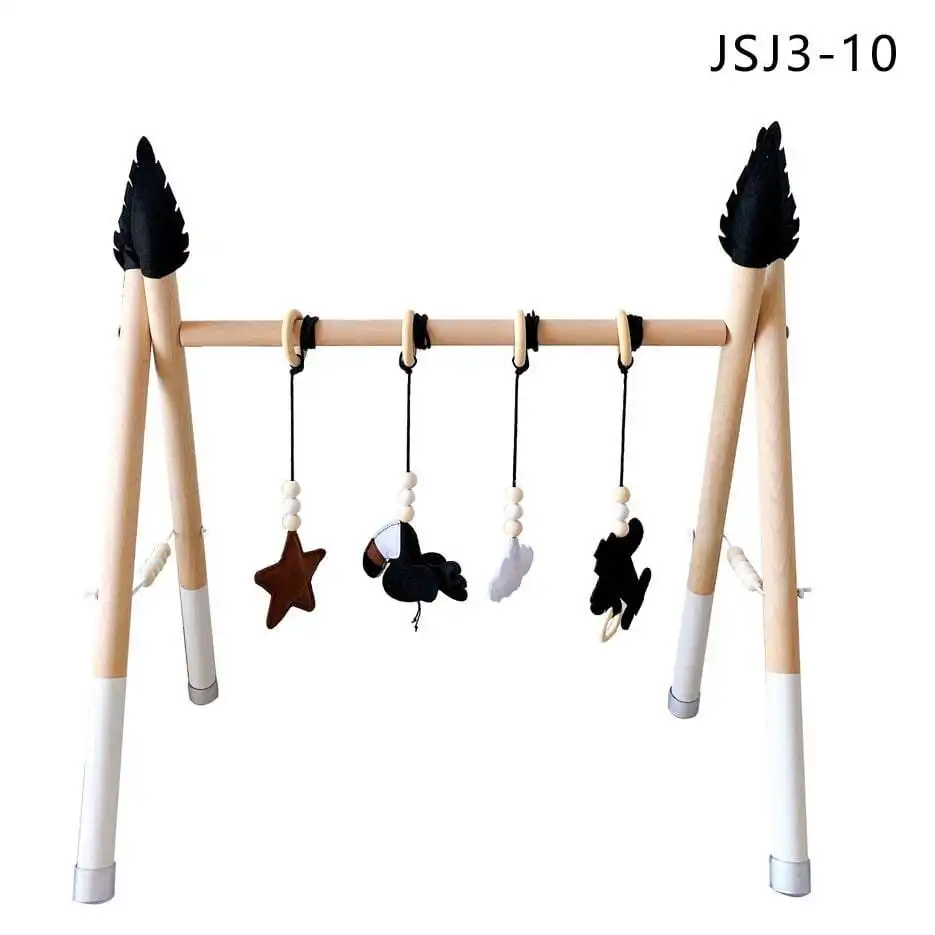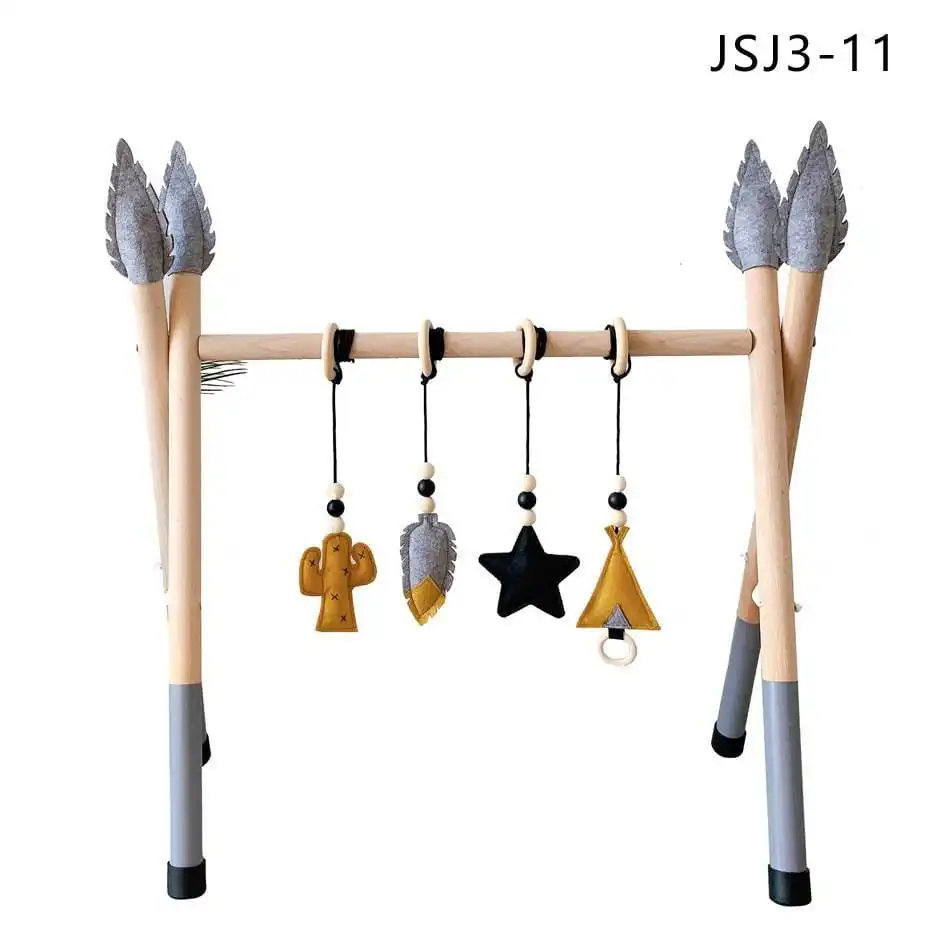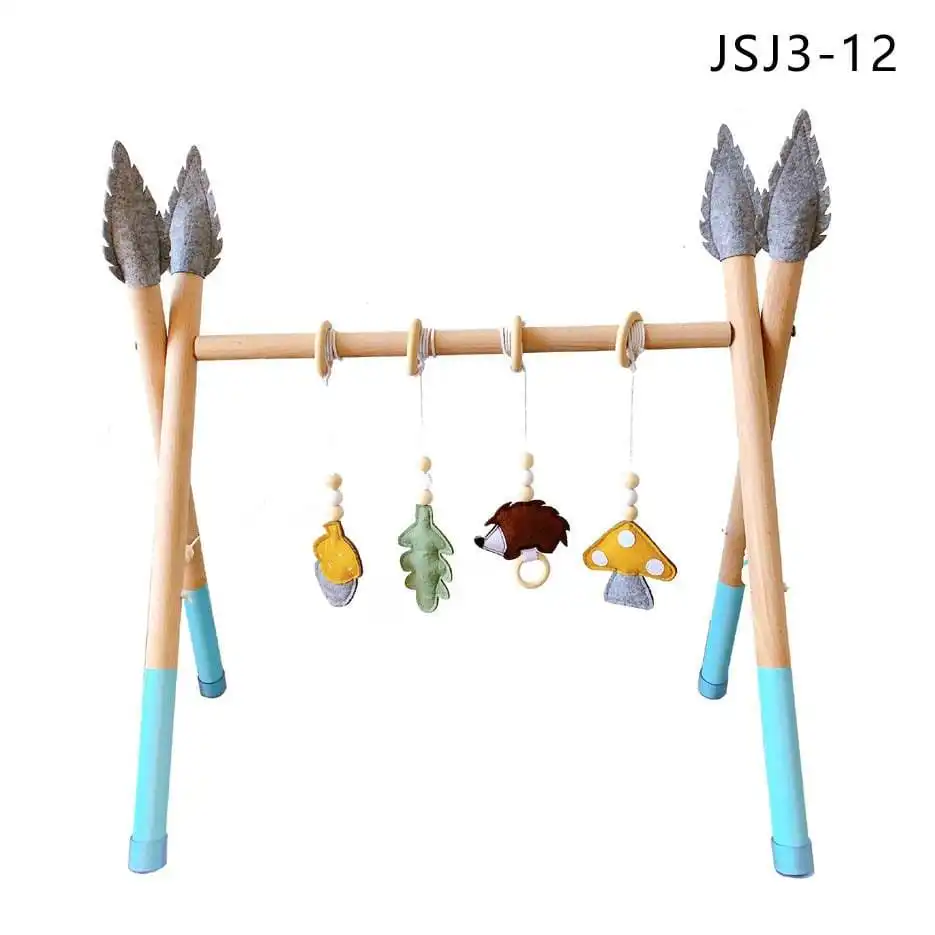
Baby development toys: stimulating the senses and curiosity from the earliest months

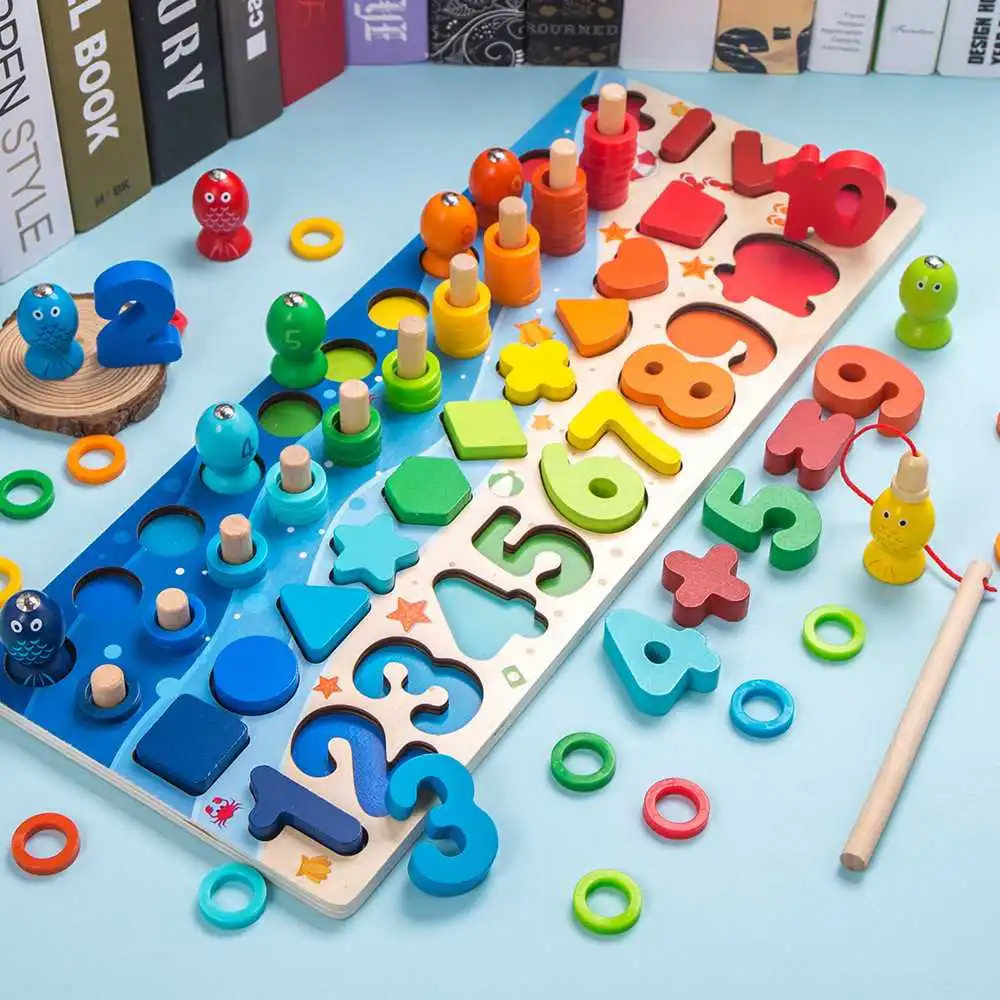
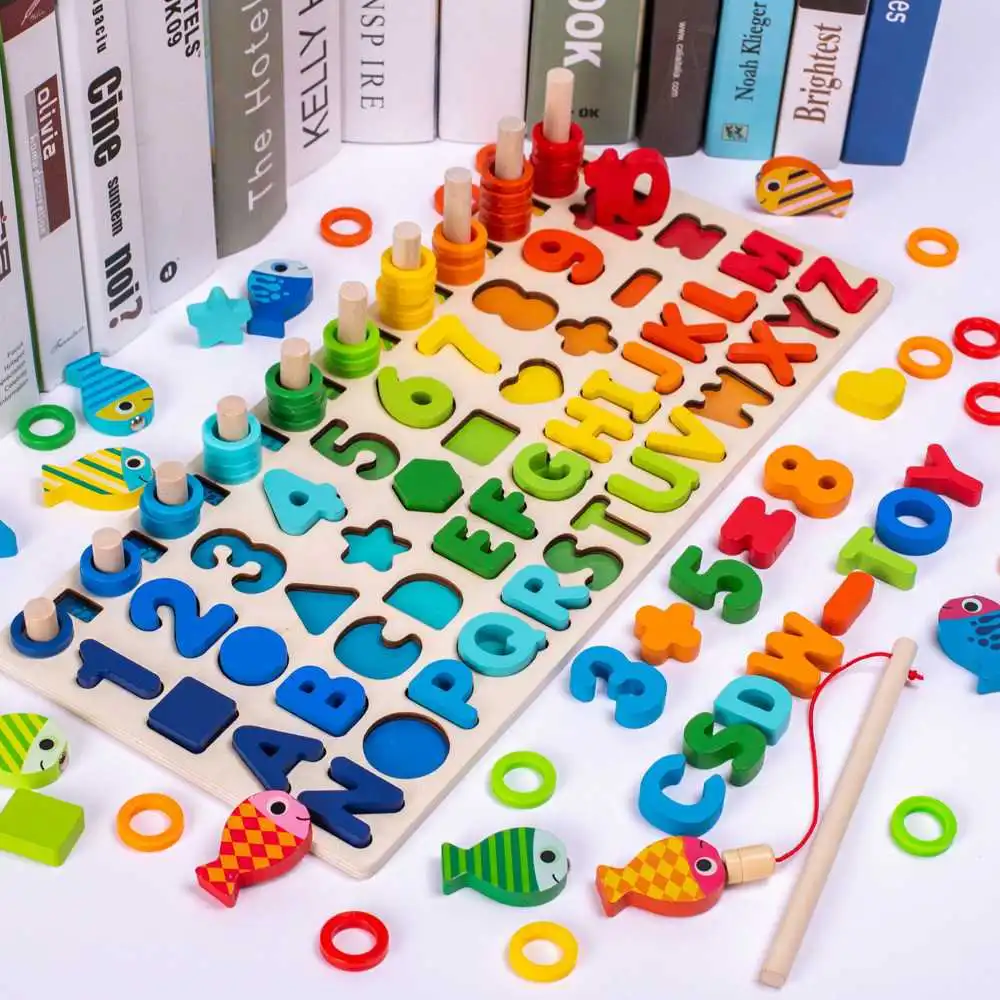
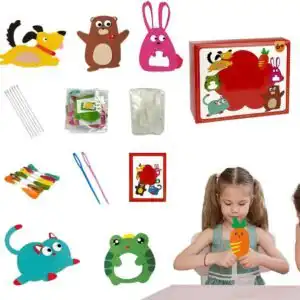
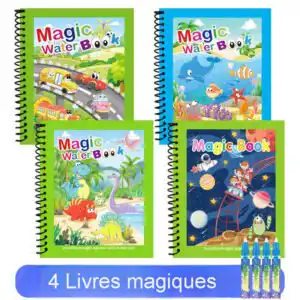

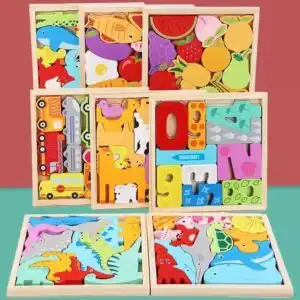
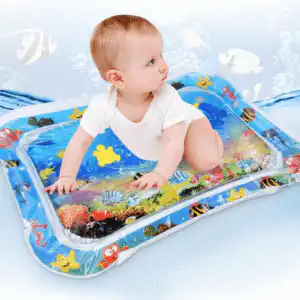
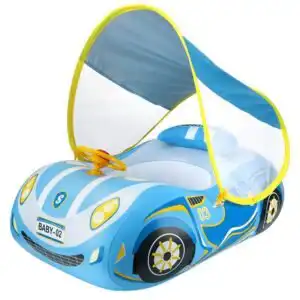
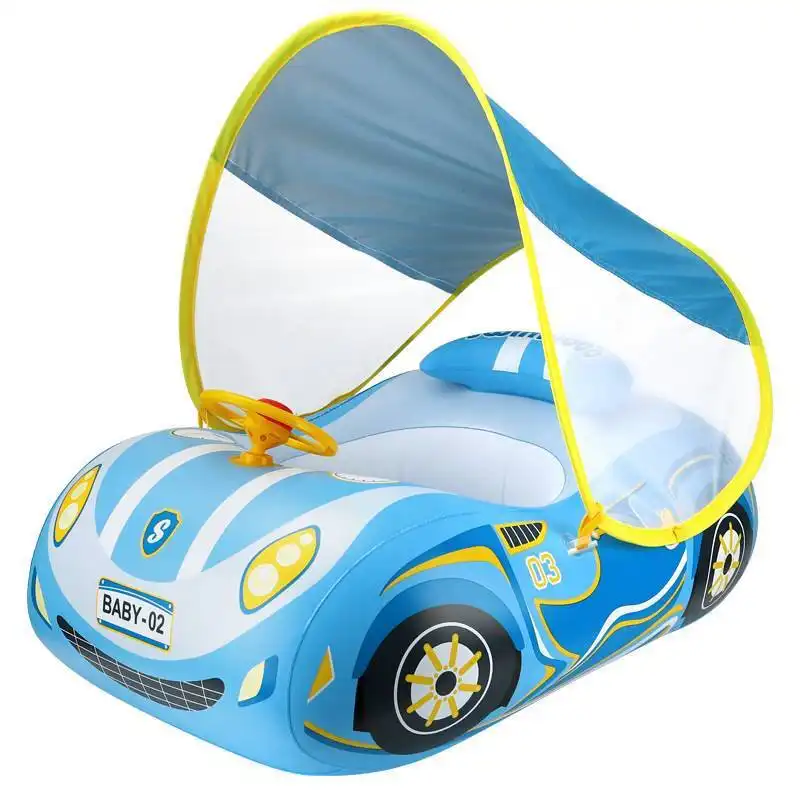
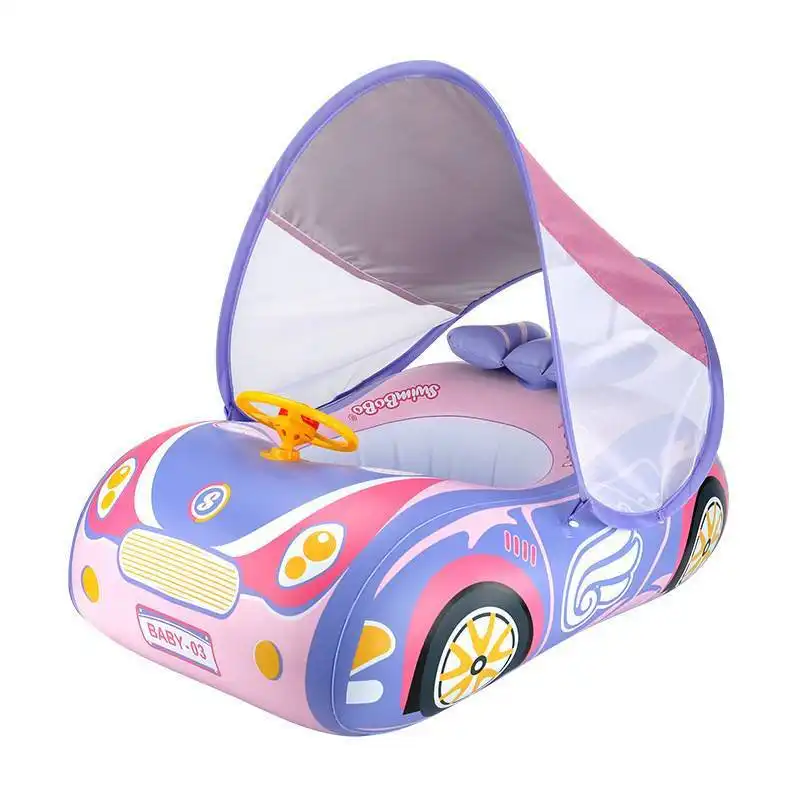
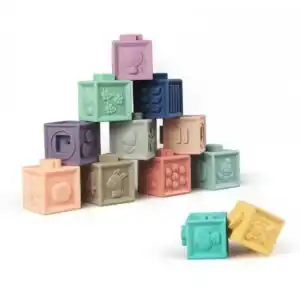
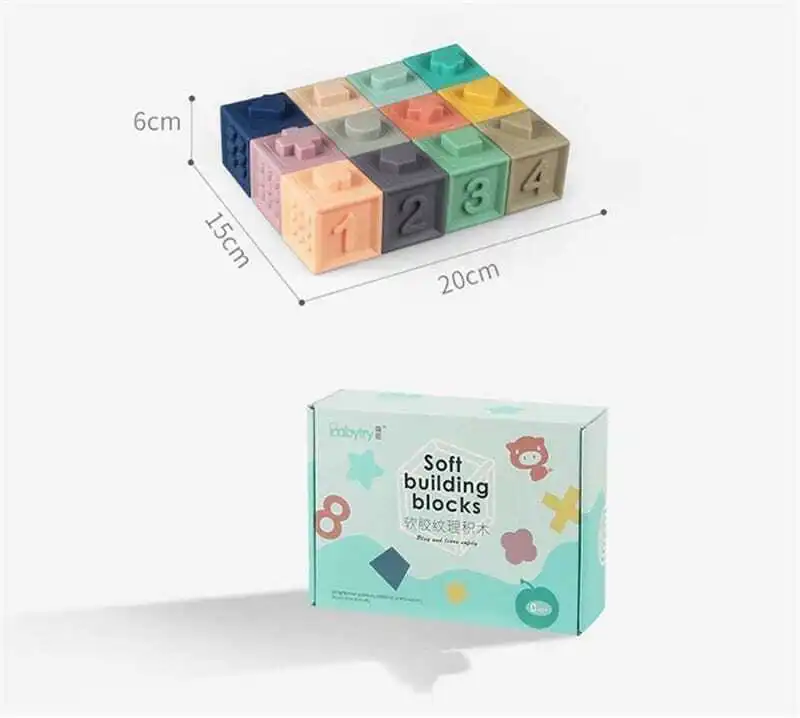
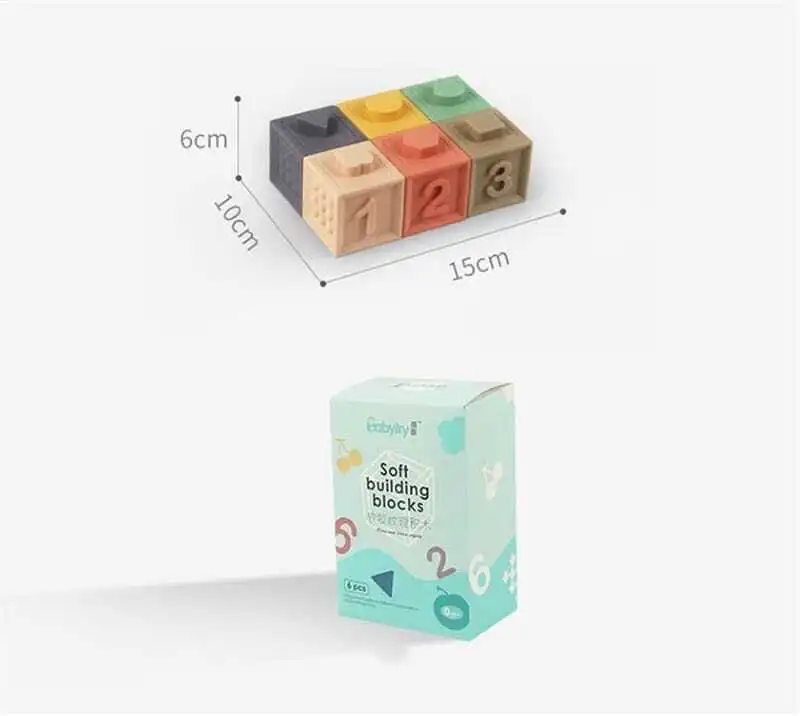
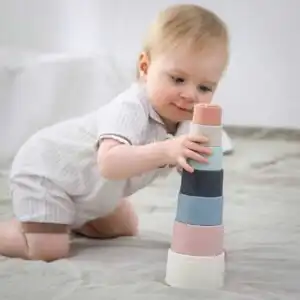
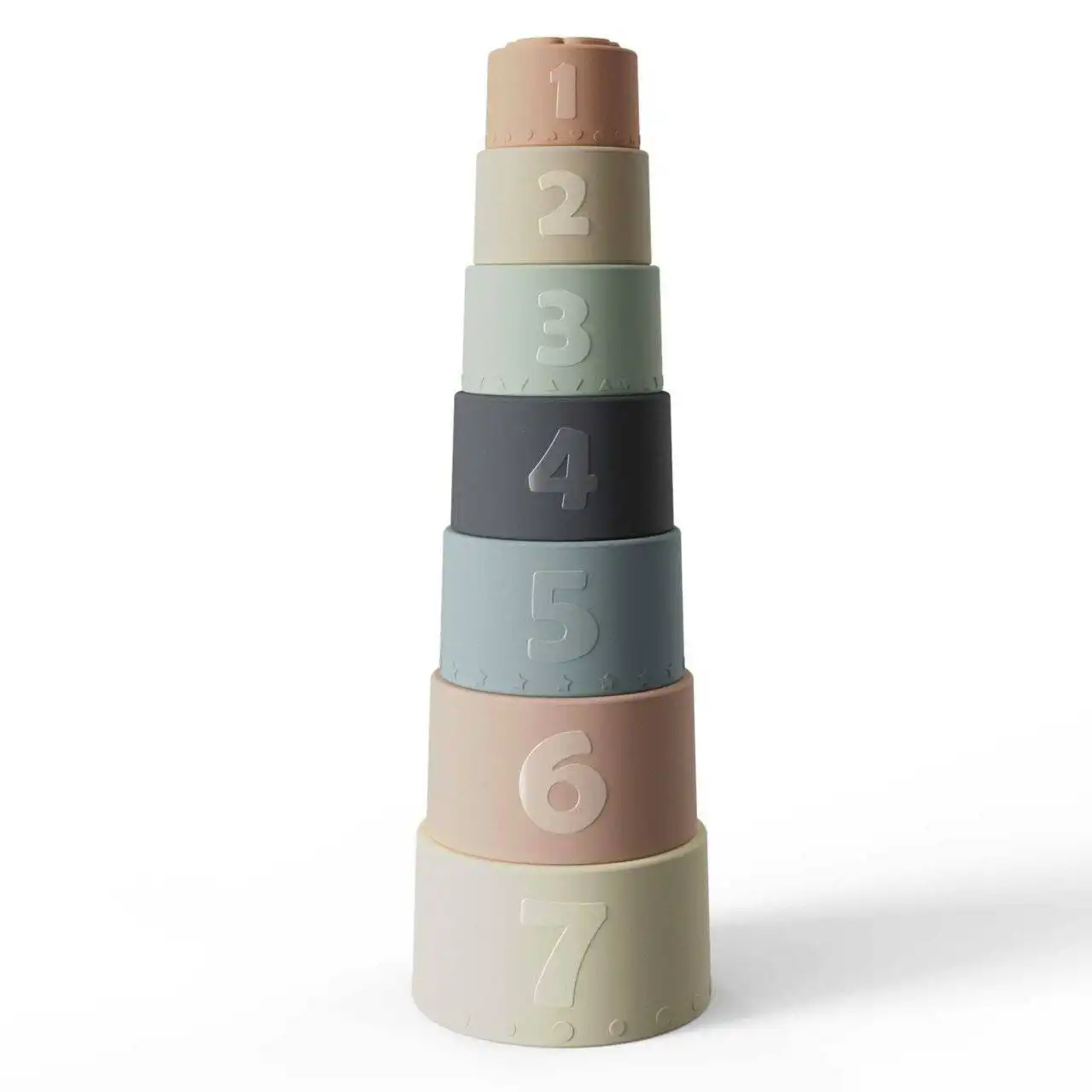
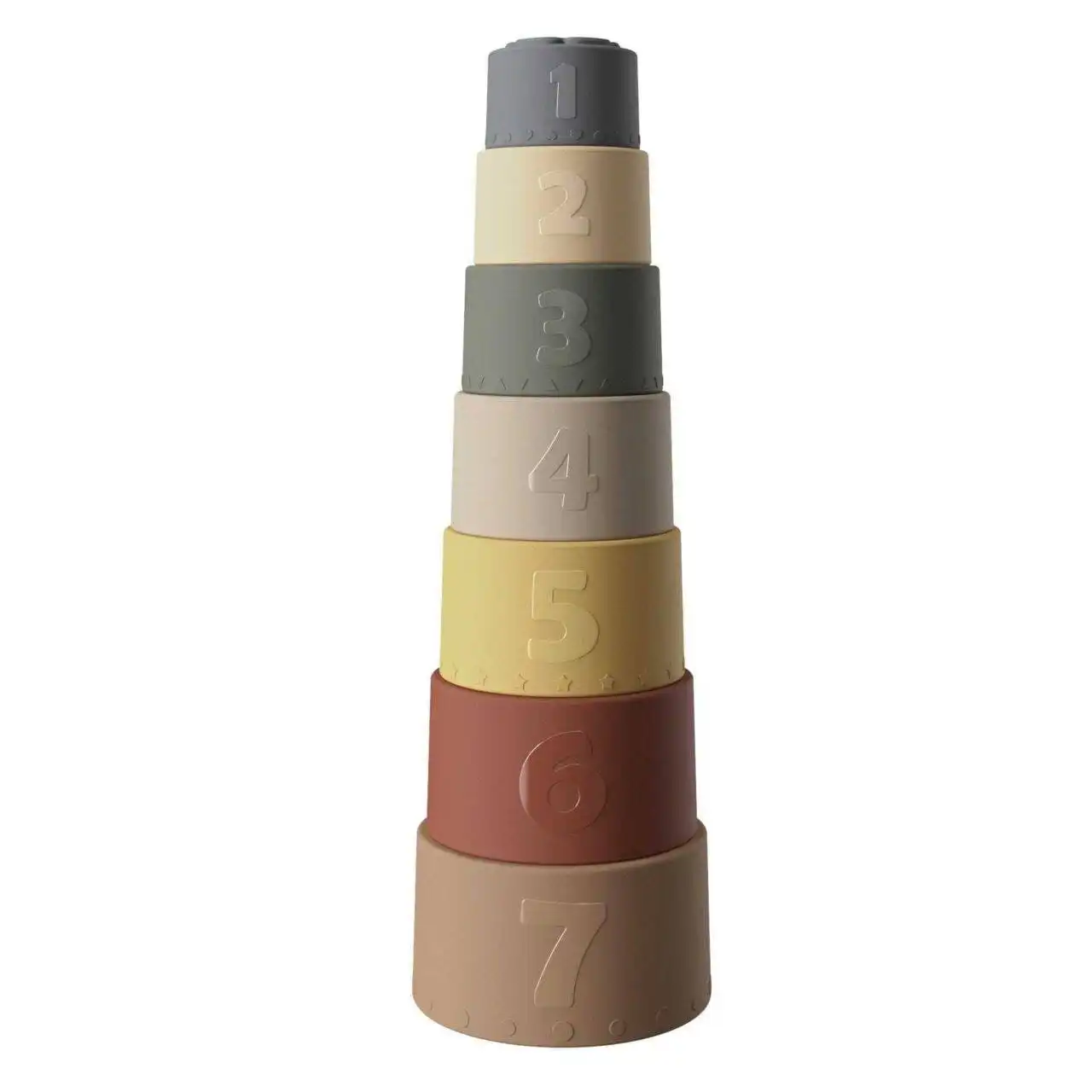





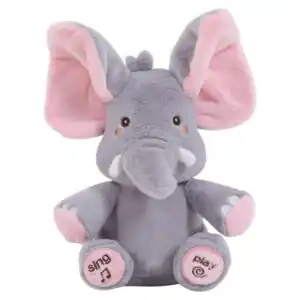
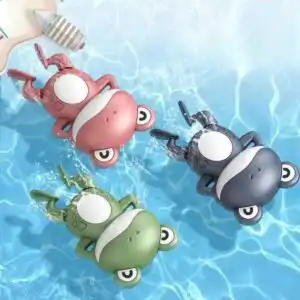
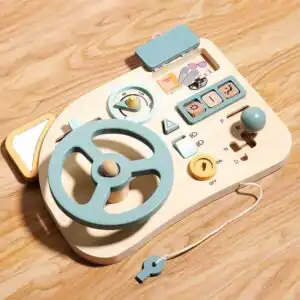
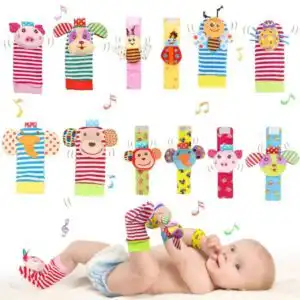
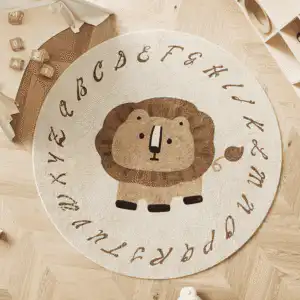
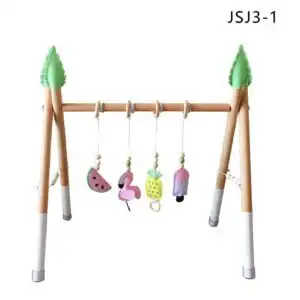
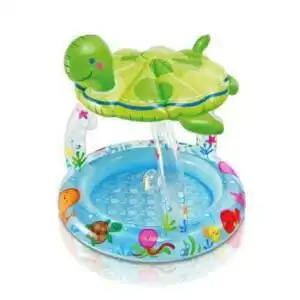
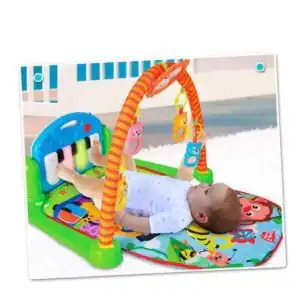
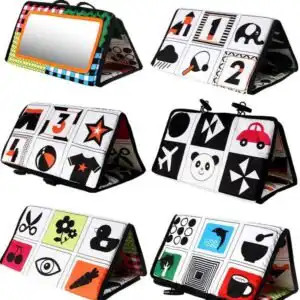
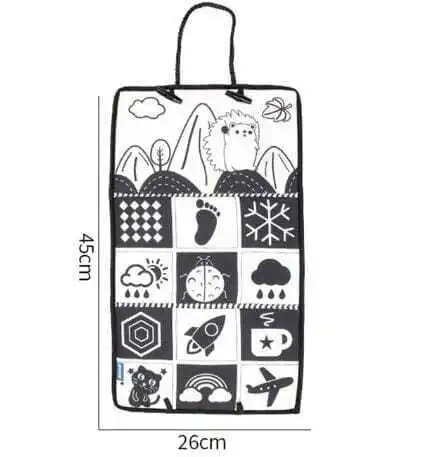
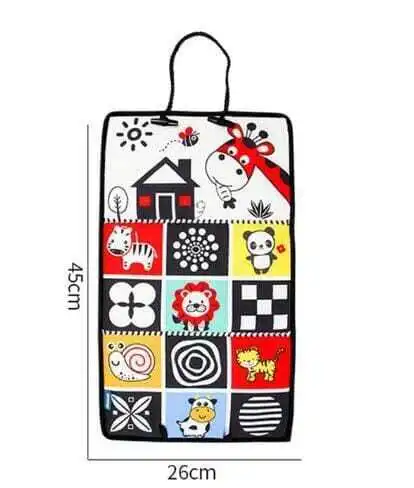
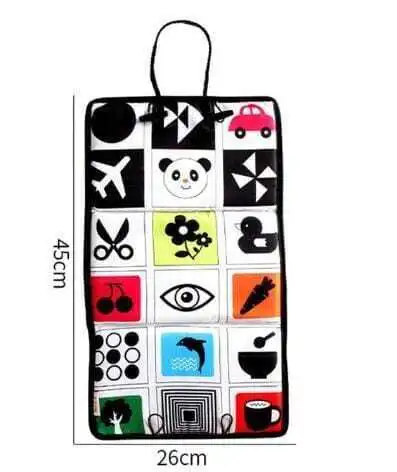
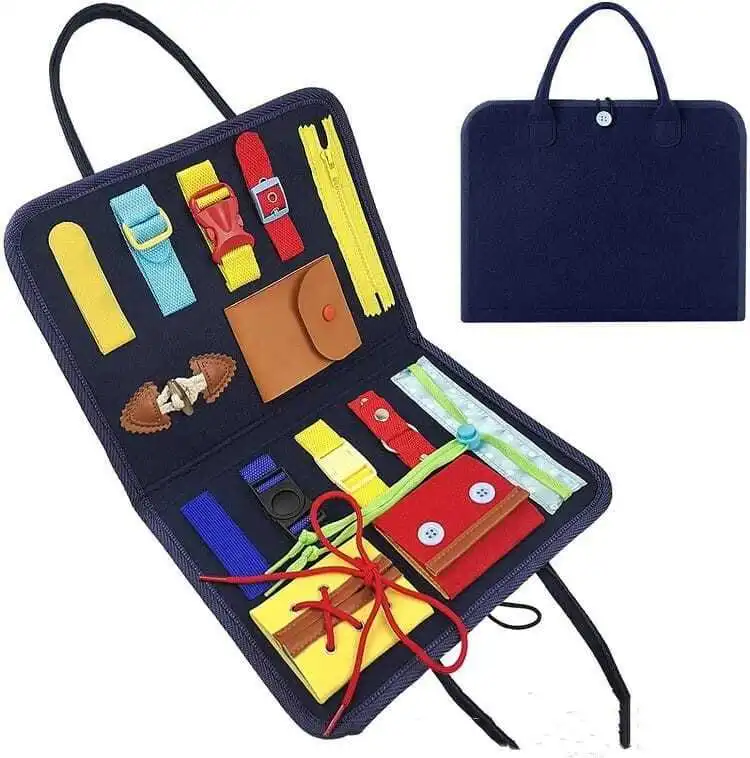
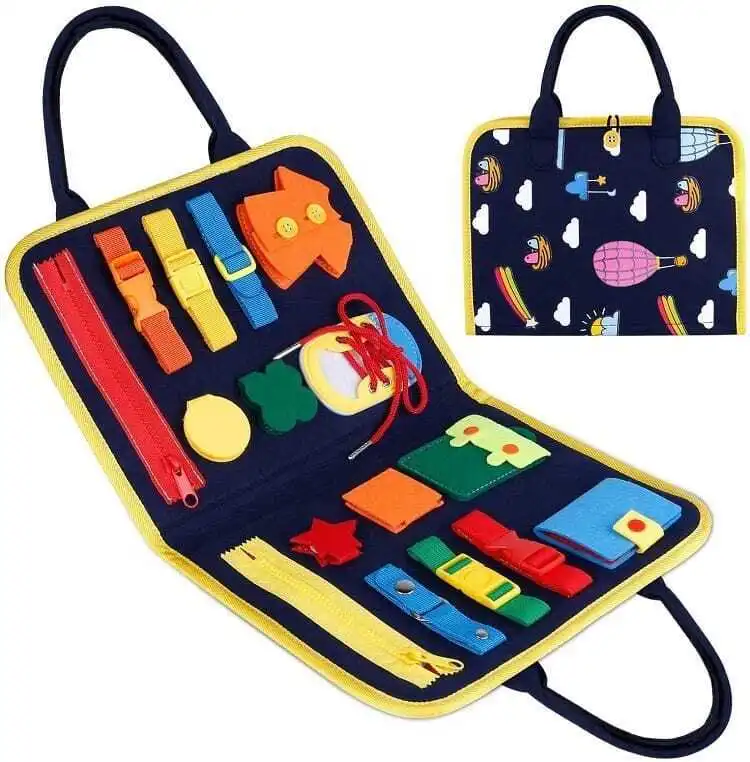
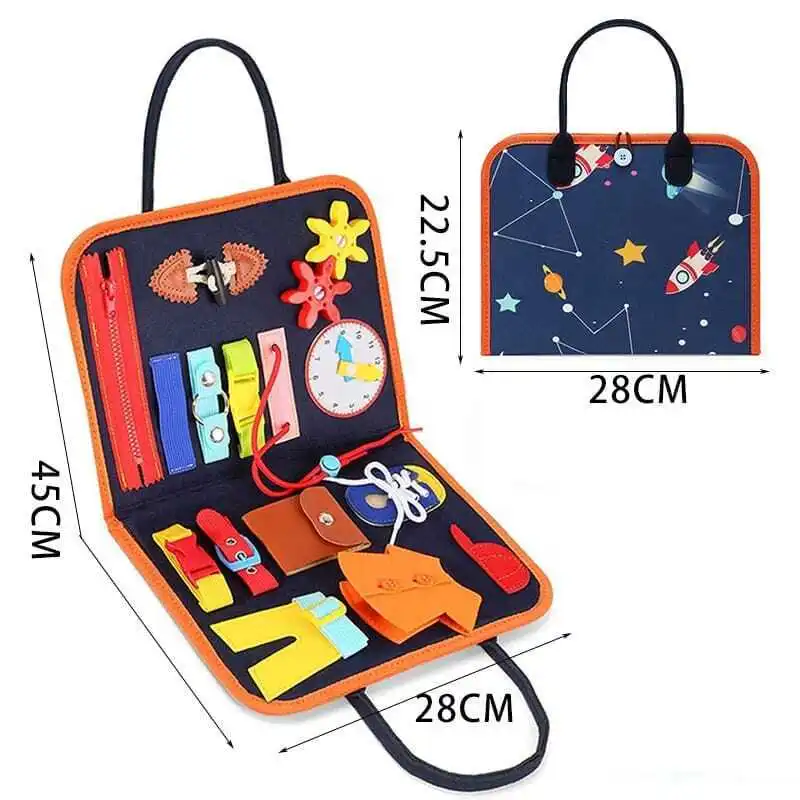
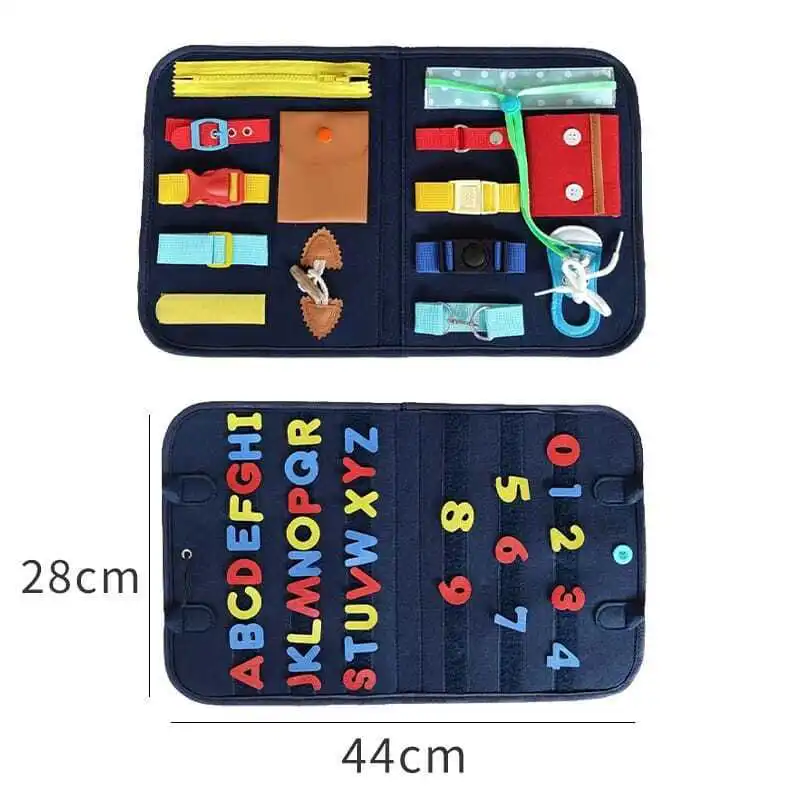
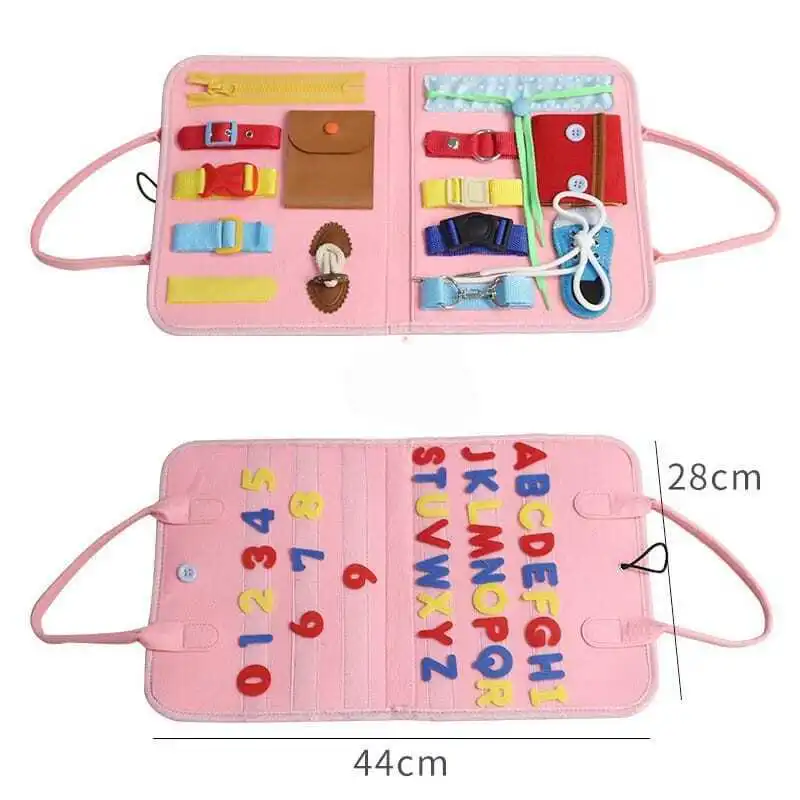
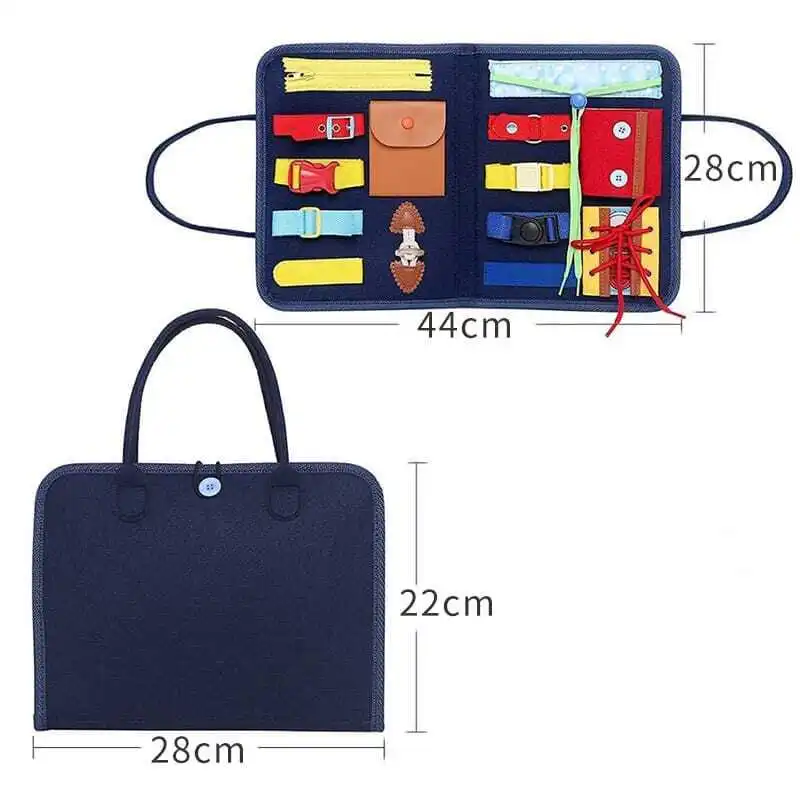
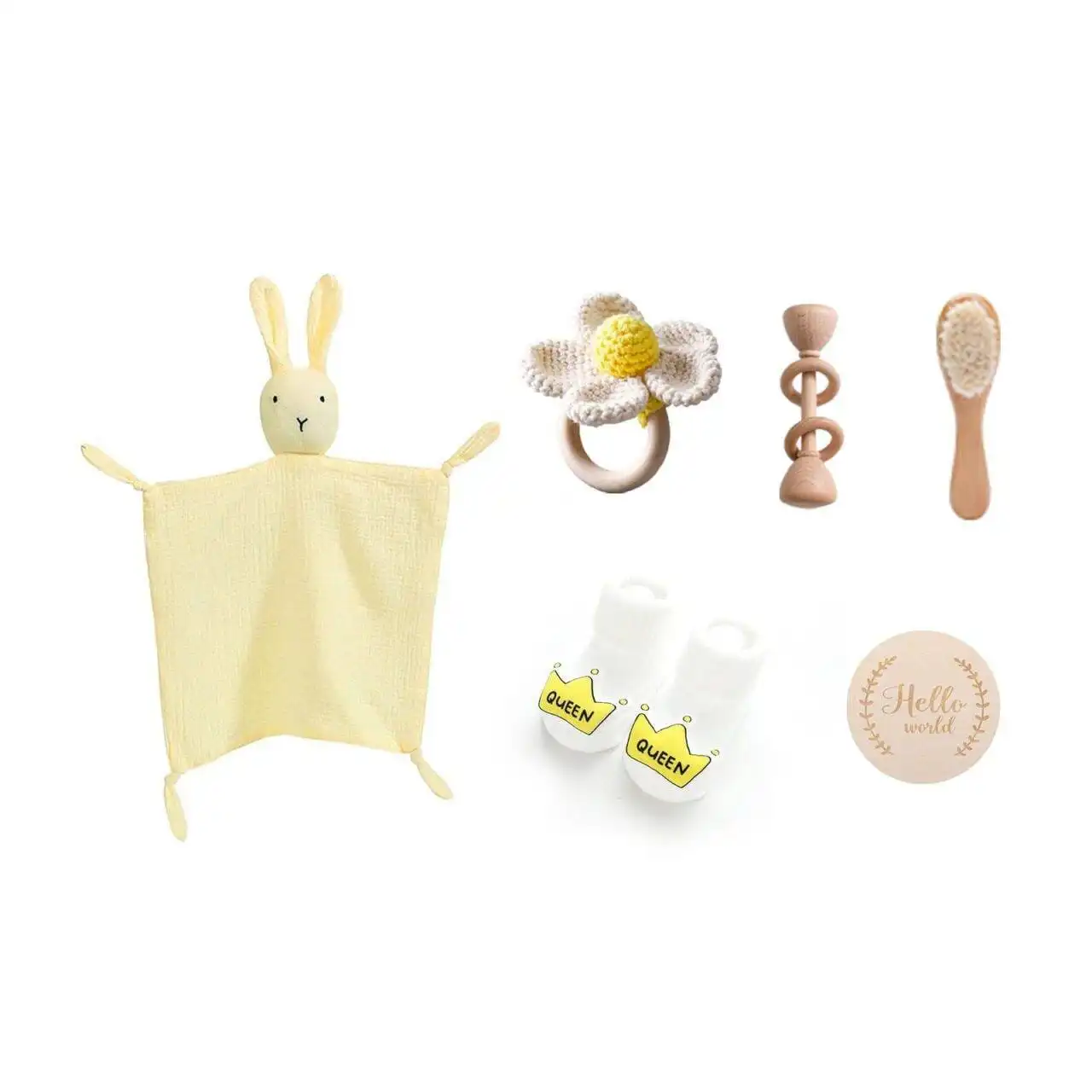
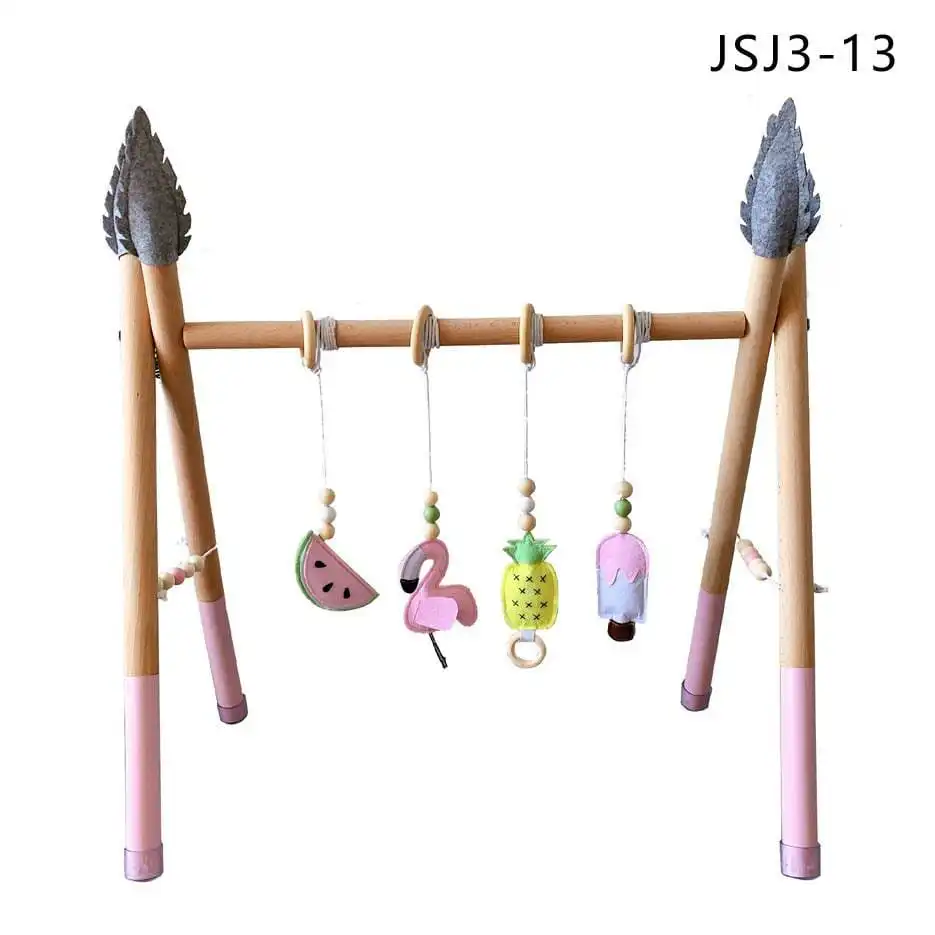
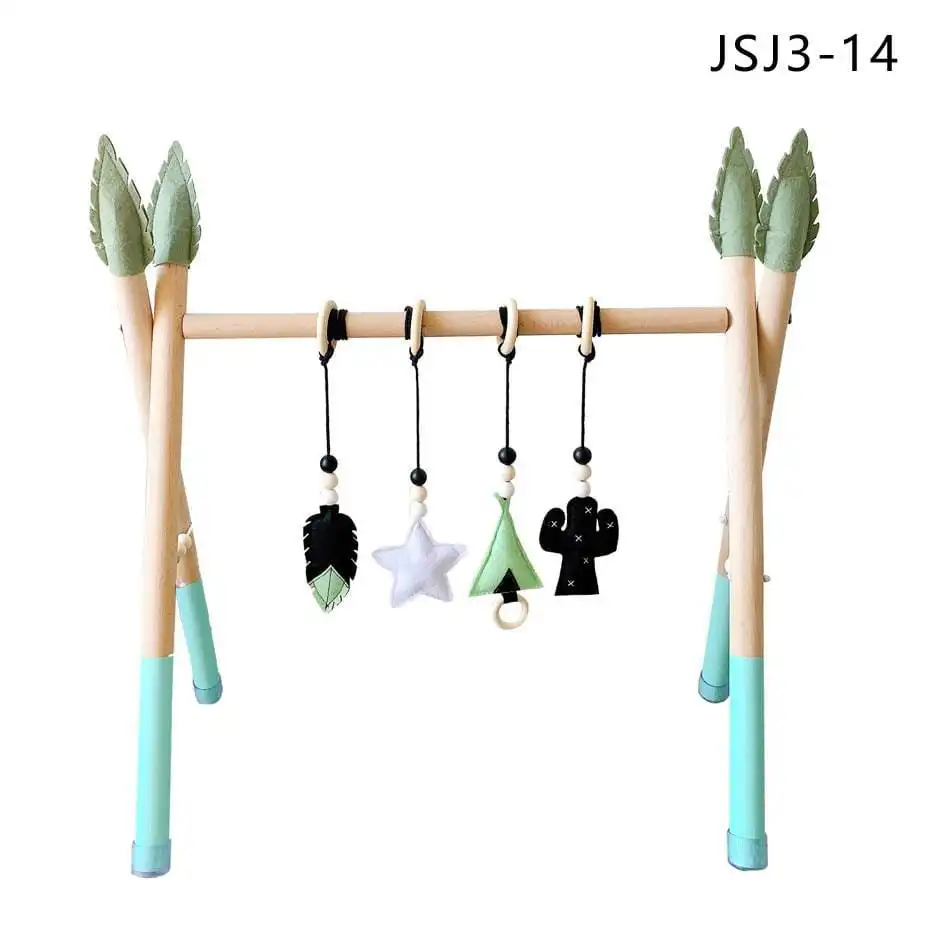
From the very first weeks, baby begins to perceive their environment. Colours, sounds, textures and movements capture their attention and stimulate their developing brain. Early-learning toys are not a luxury: they provide practical support for an infant's sensory, motor and cognitive development. When chosen well, they encourage grasping, hand-eye coordination, an understanding of cause and effect, and early social interactions.
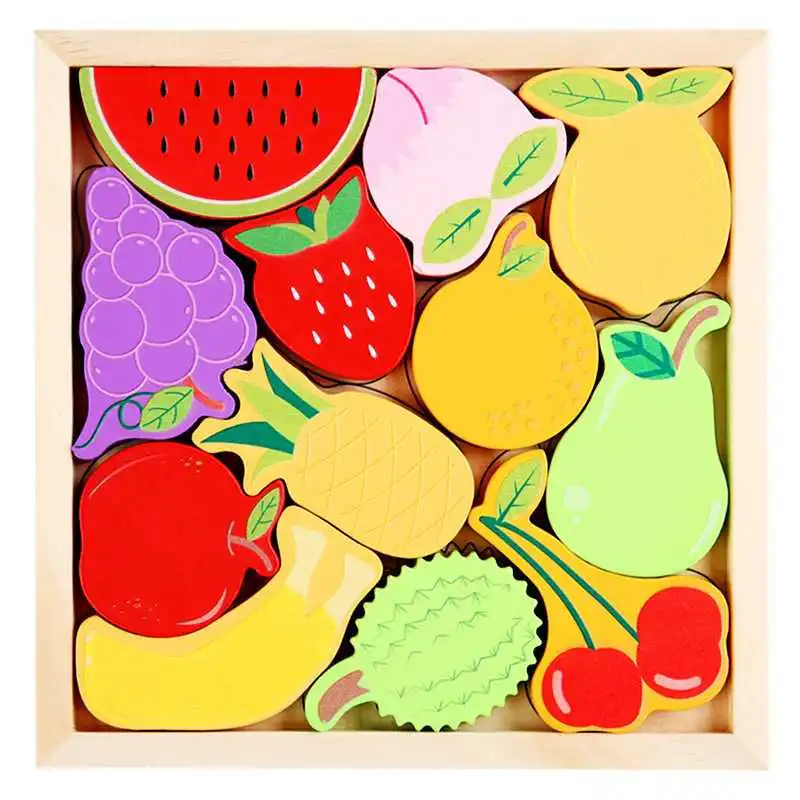
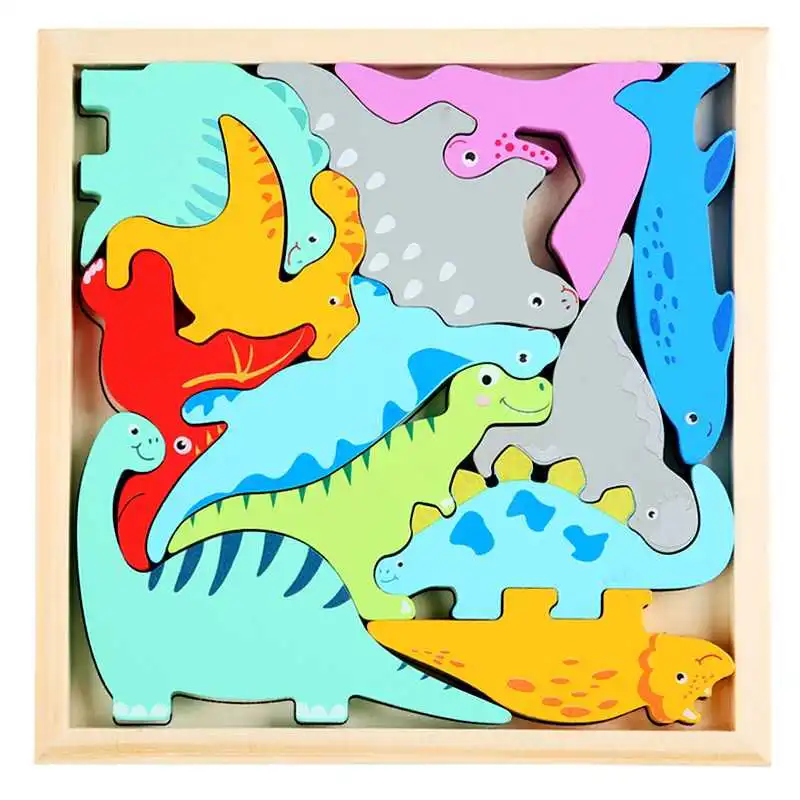
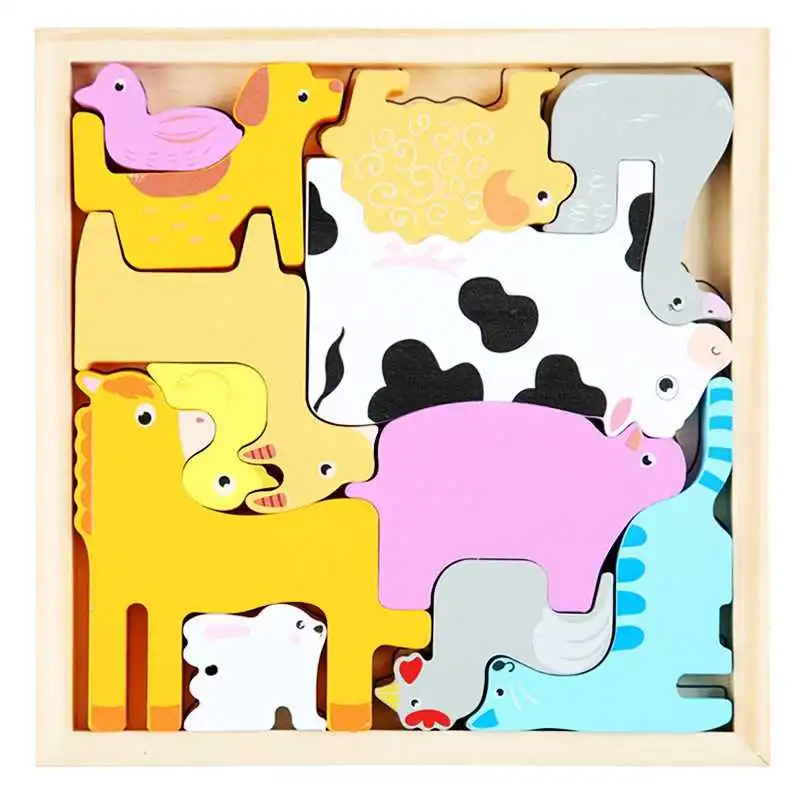
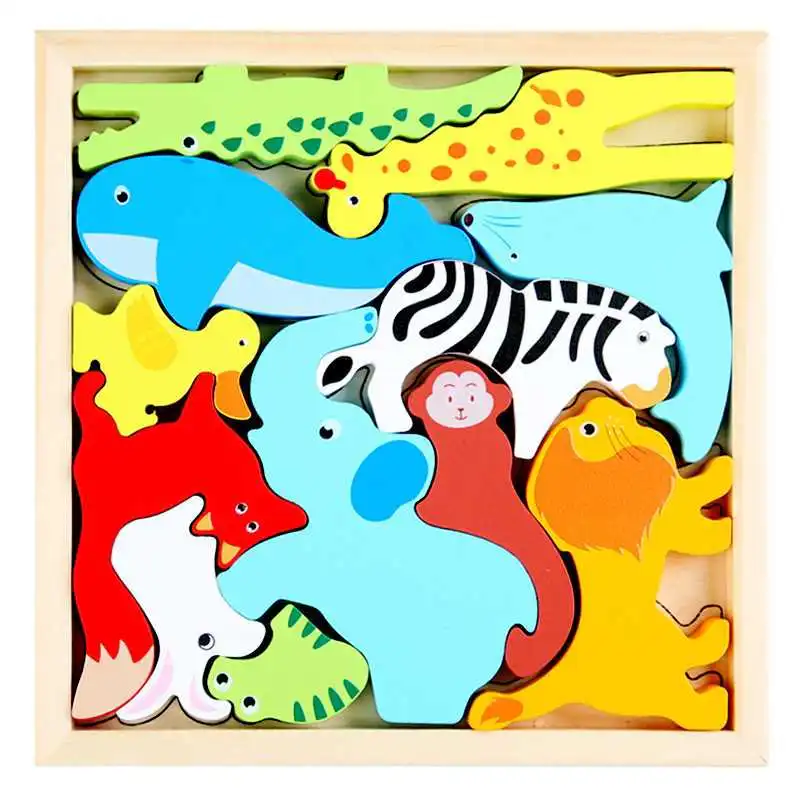
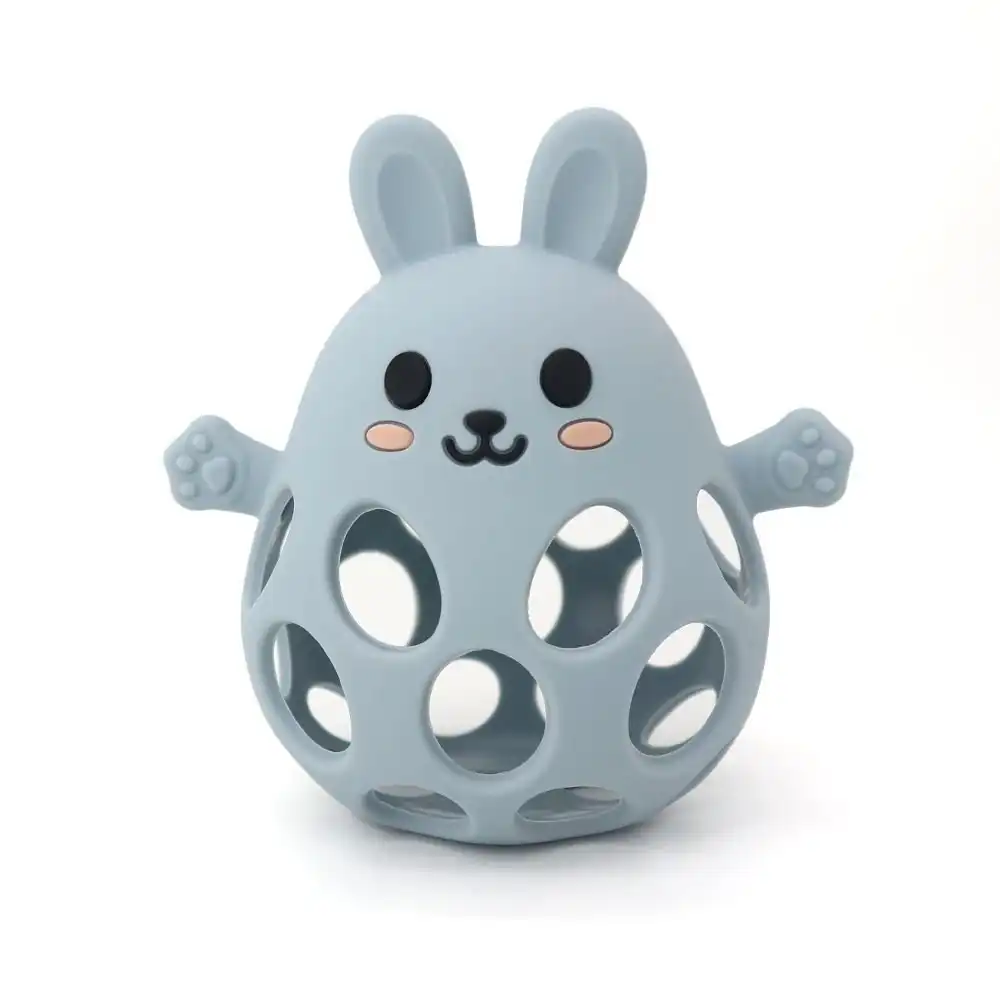
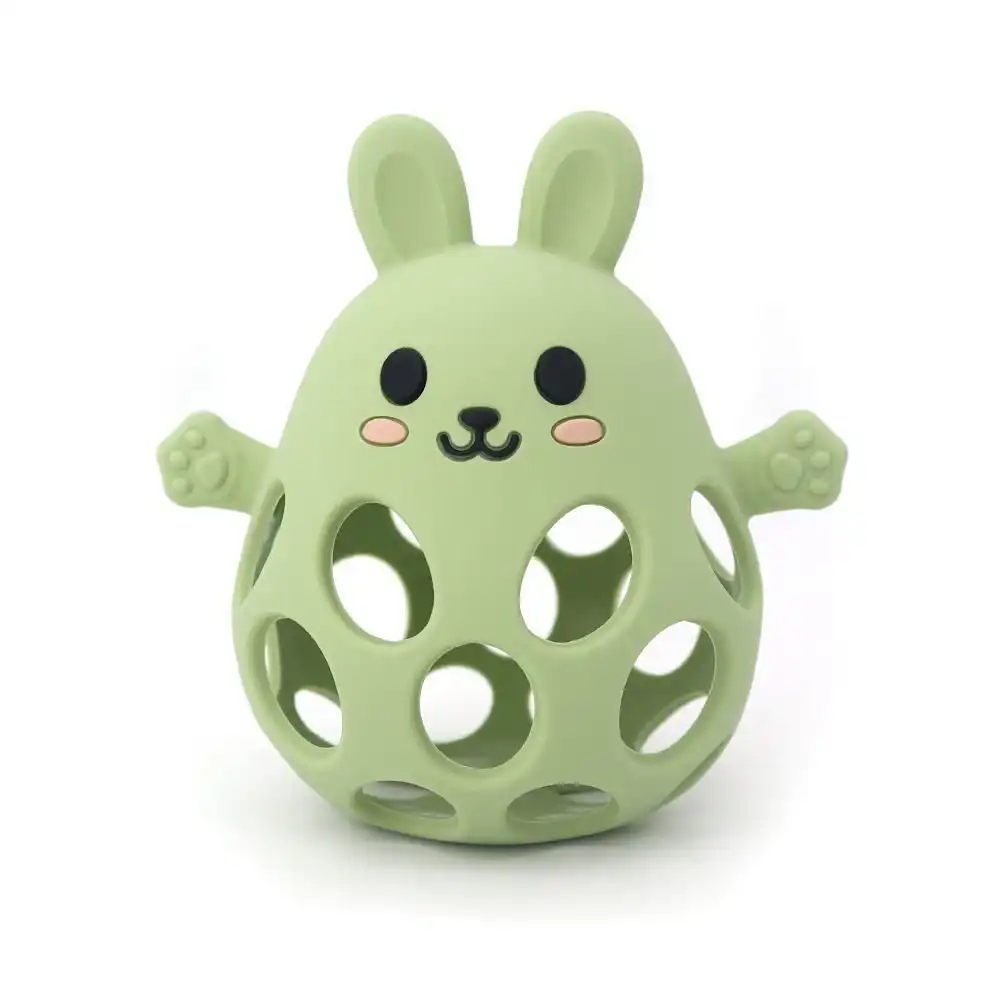
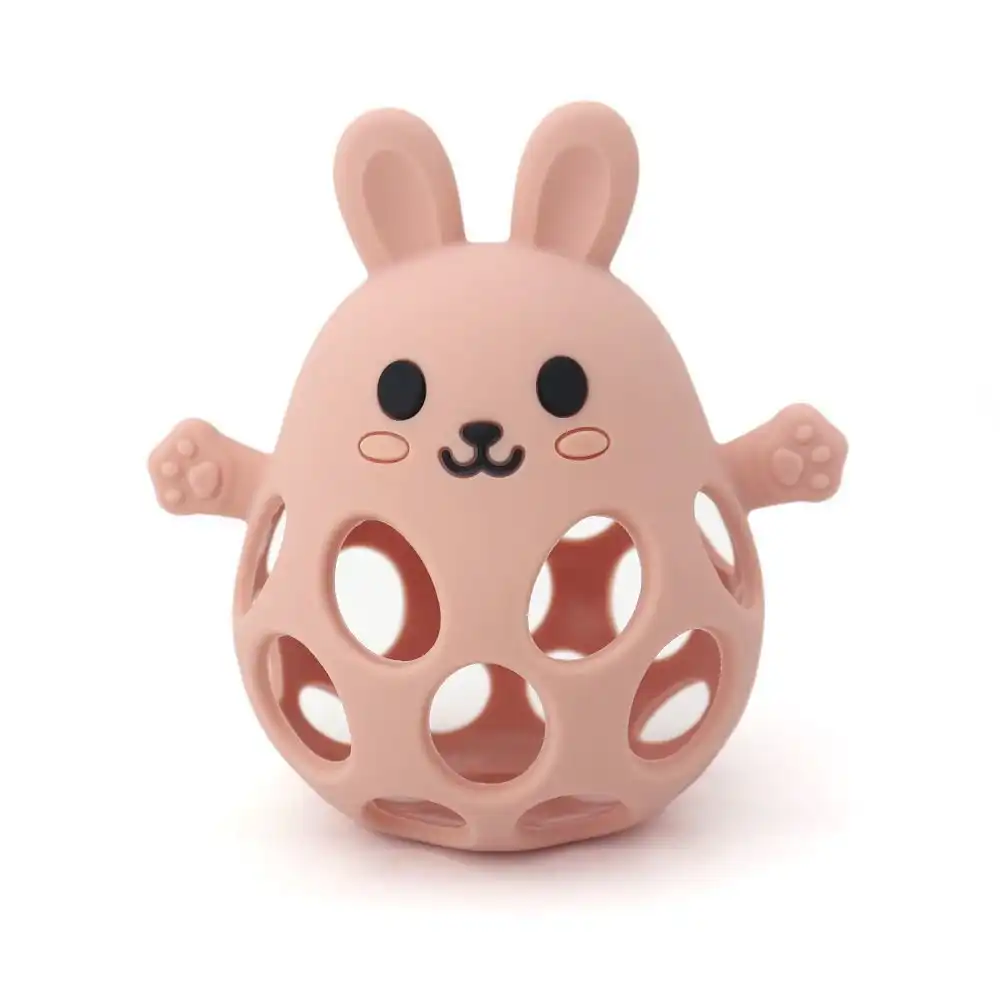
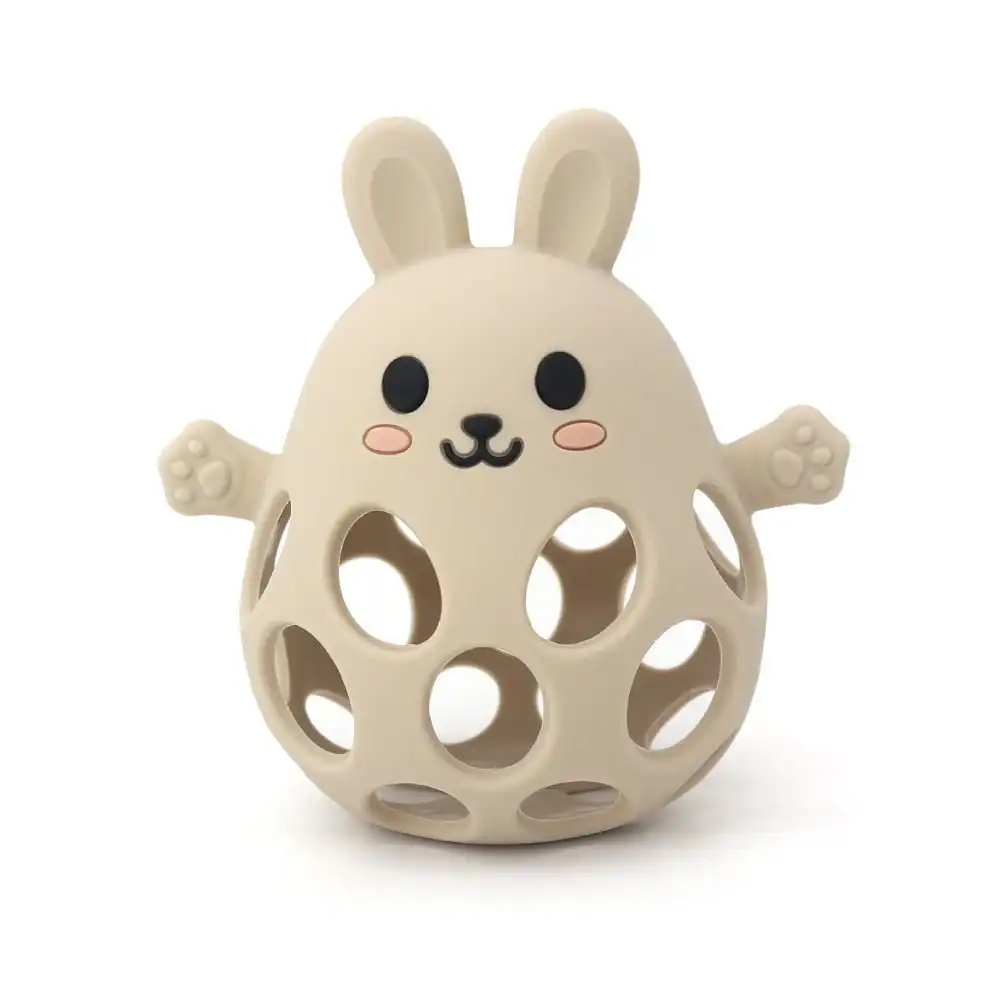
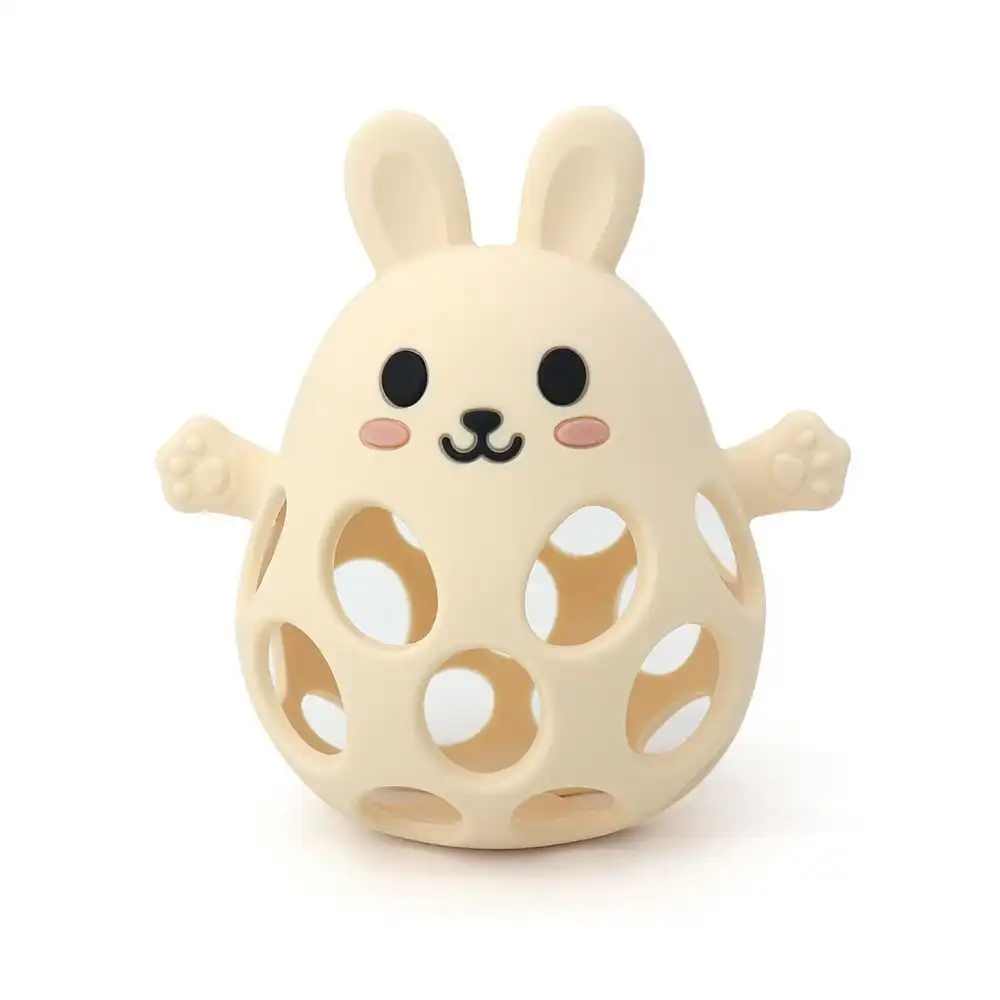
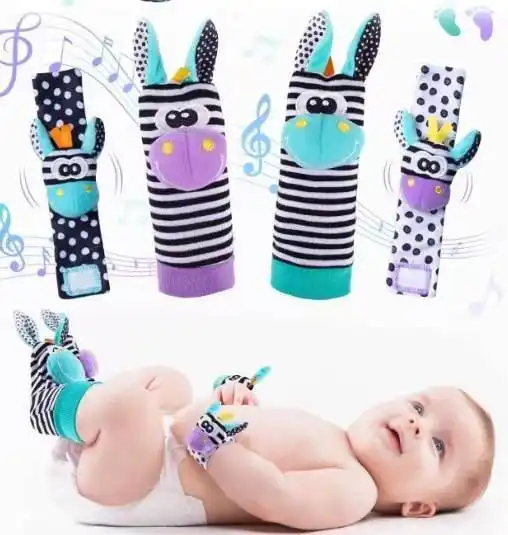
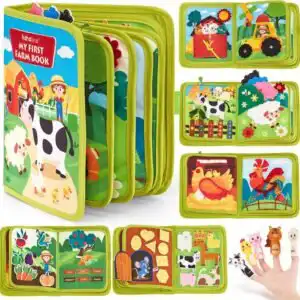
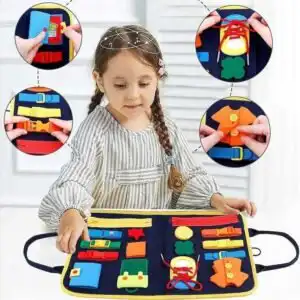
À 3 months, baby discovers contrasts and starts to grasp things — opt for lightweight rattles, play mats with arches and contrasting fabric books. To 6 months, he sits down, puts everything in his mouth and understands cause and effect — nesting blocks, teething rings and musical toys become essential. From 12 months, it's time for role-play toys, early stacking shapes and board books.
To help you choose, check out our age-by-age development guides: 3 month baby developmental toy and 6-month baby development toy.
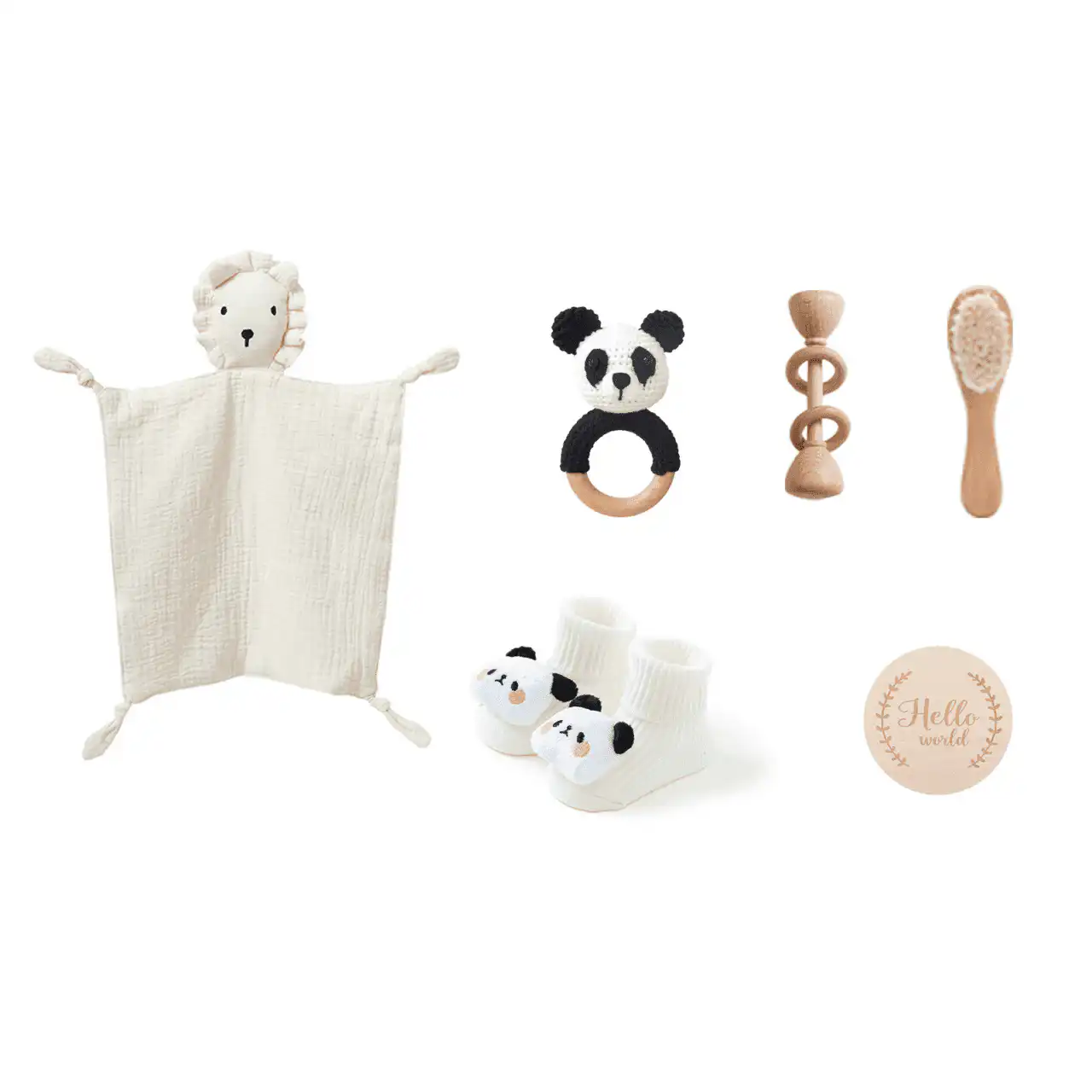
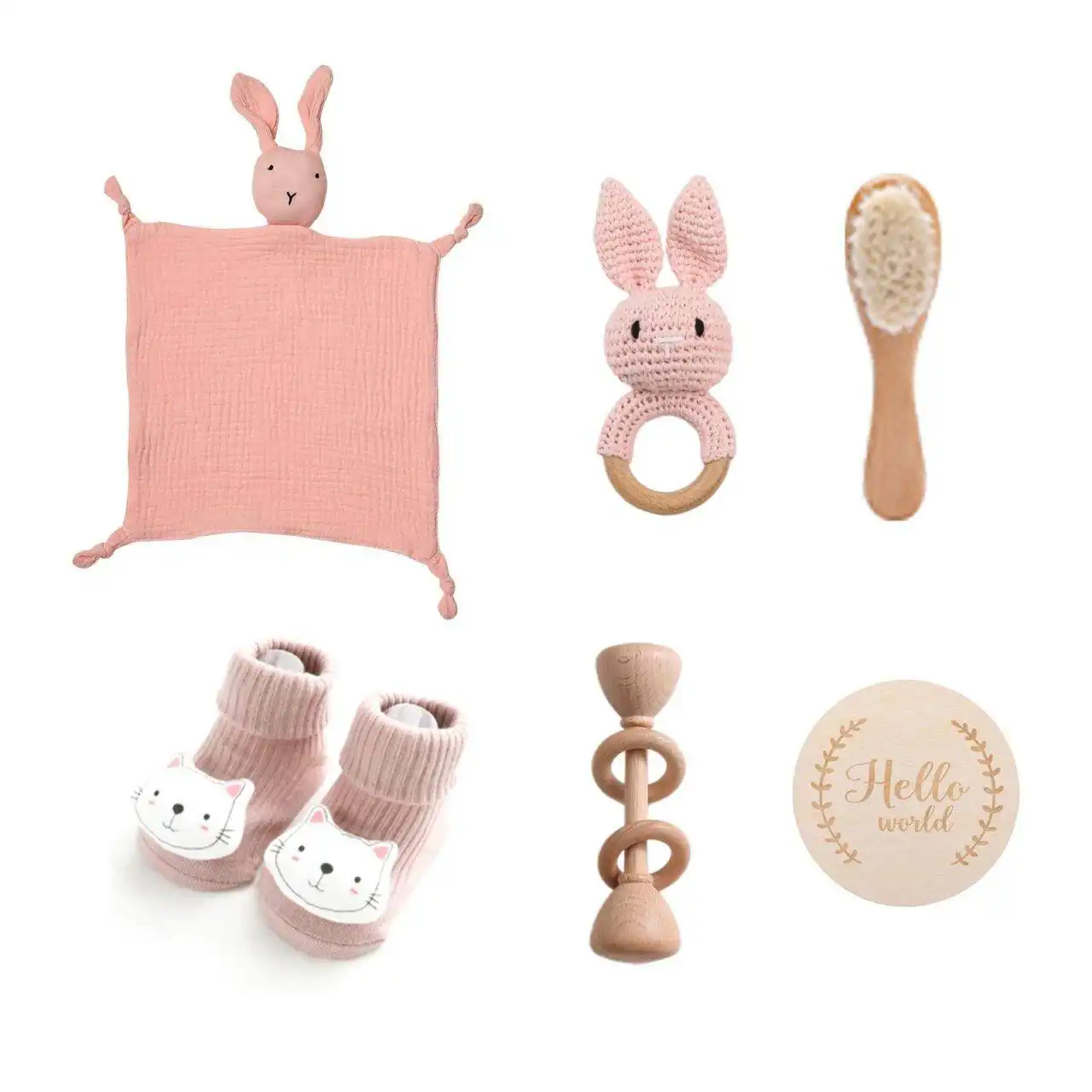
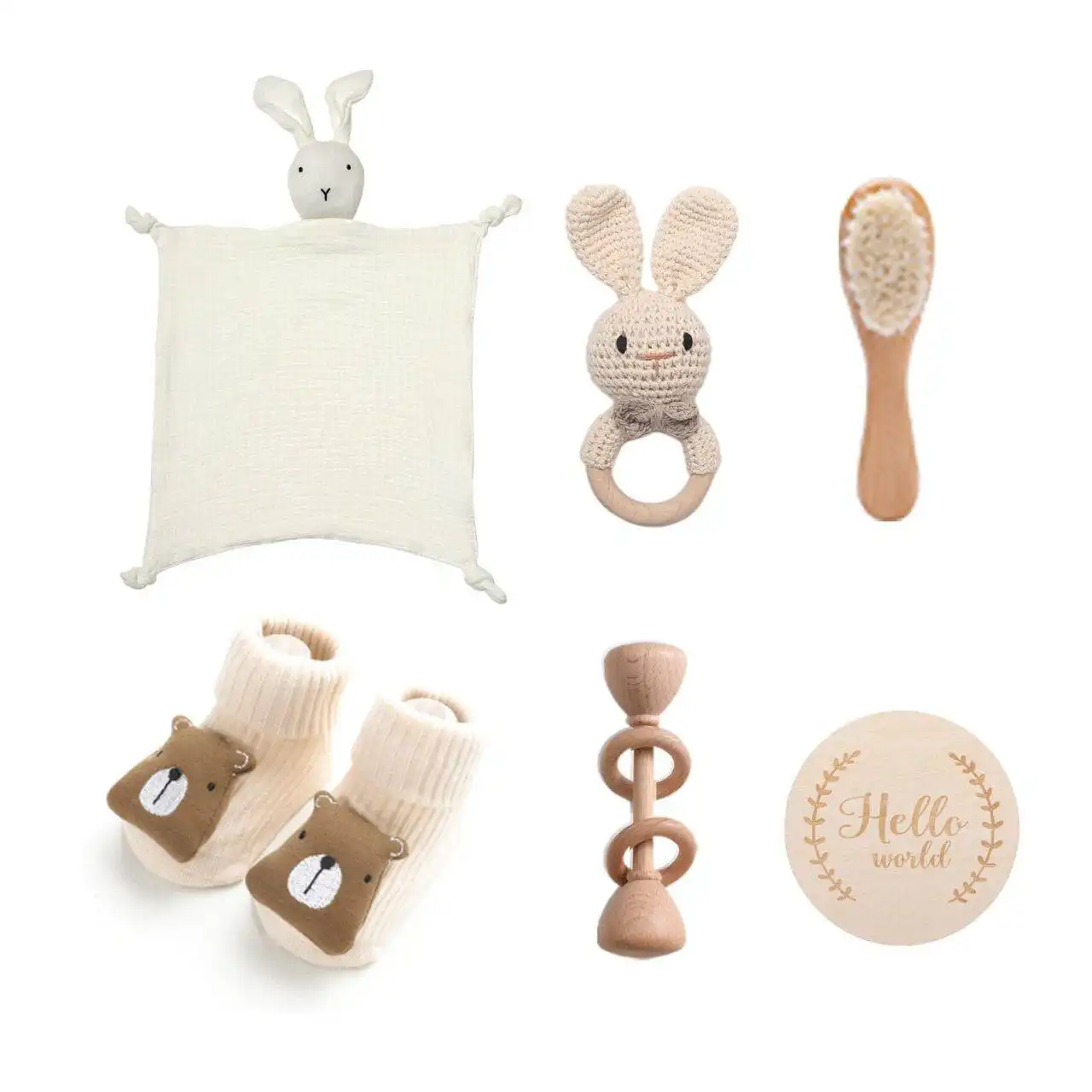
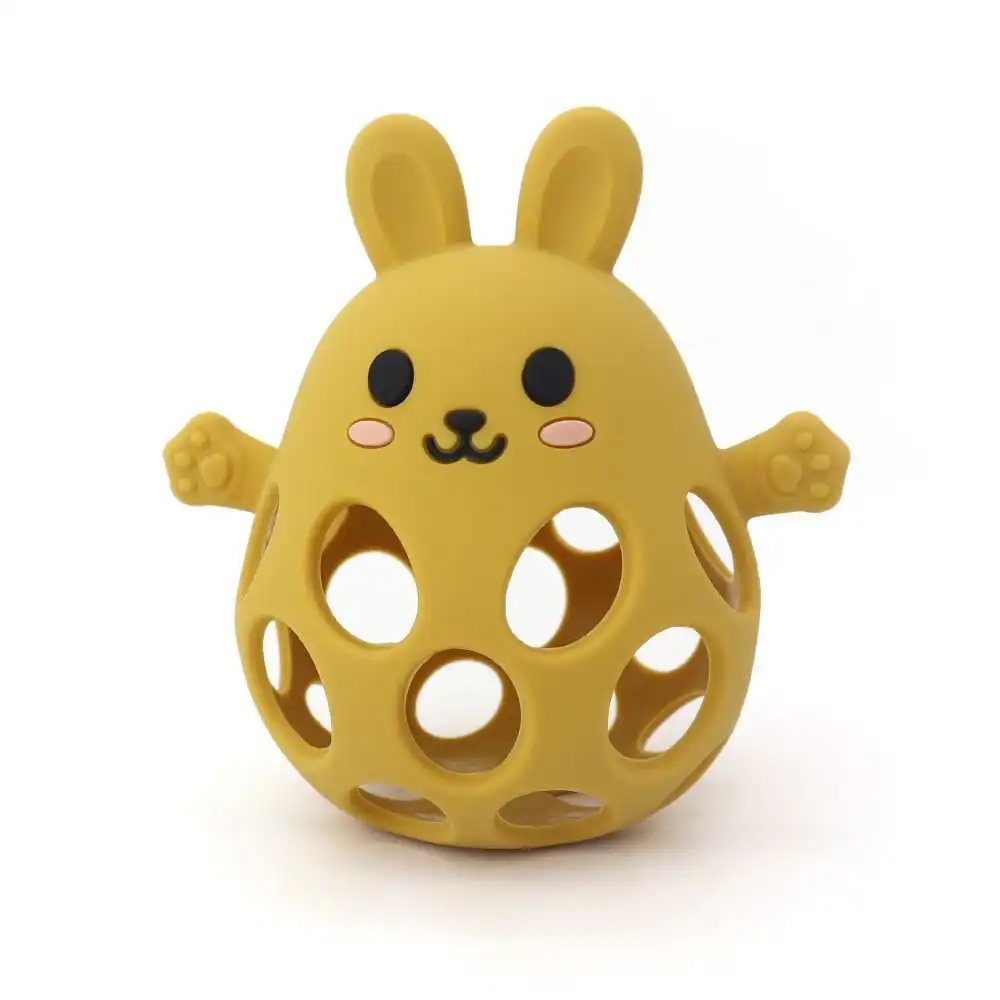
Our selection focuses on simple toys made from natural materials, free from electronic over-stimulation. The Montessori approach is based on a few key principles: a single concept per toy, high-quality materials (wood, organic cotton, food-grade silicone), clean shapes, and respect for baby's natural rhythm. The idea is not to pile up toys, but to offer the right ones at the right time — even if that means practising rotation to keep their interest alive.
All our developmental toys comply with the CE standard, are tested free from BPA and phthalates, and are selected by our team of parents before being listed online. We systematically check the strength of the seams, the absence of small detachable parts, the quality of food-safe paints for wood, and the ergonomics of the shapes.
How many toys does a baby need? Far less than one might imagine. Five to eight varied toys are more than enough for a baby under one year old. Quality and rotation matter more than quantity.
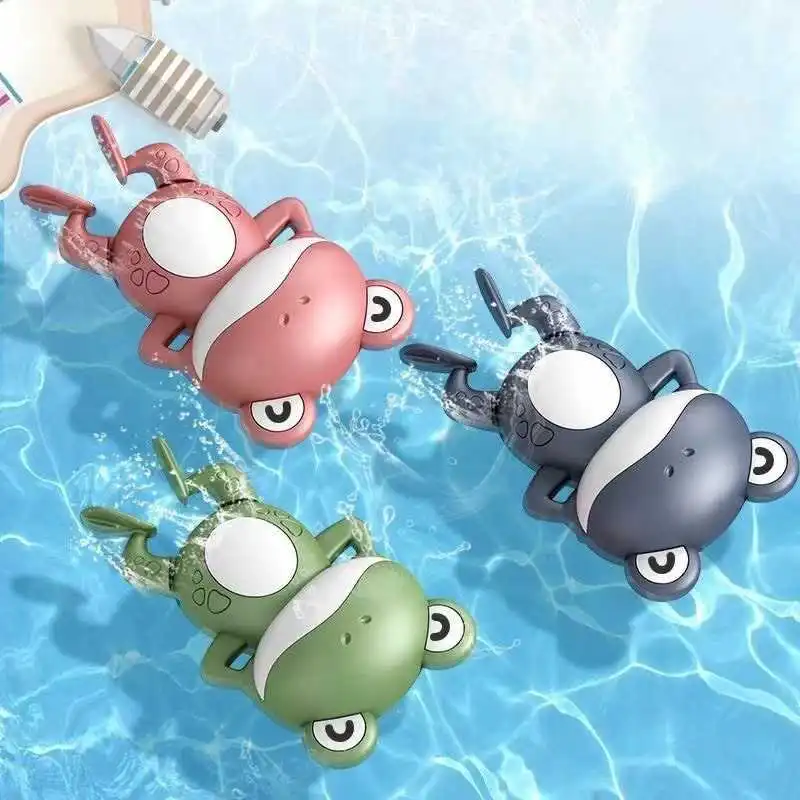
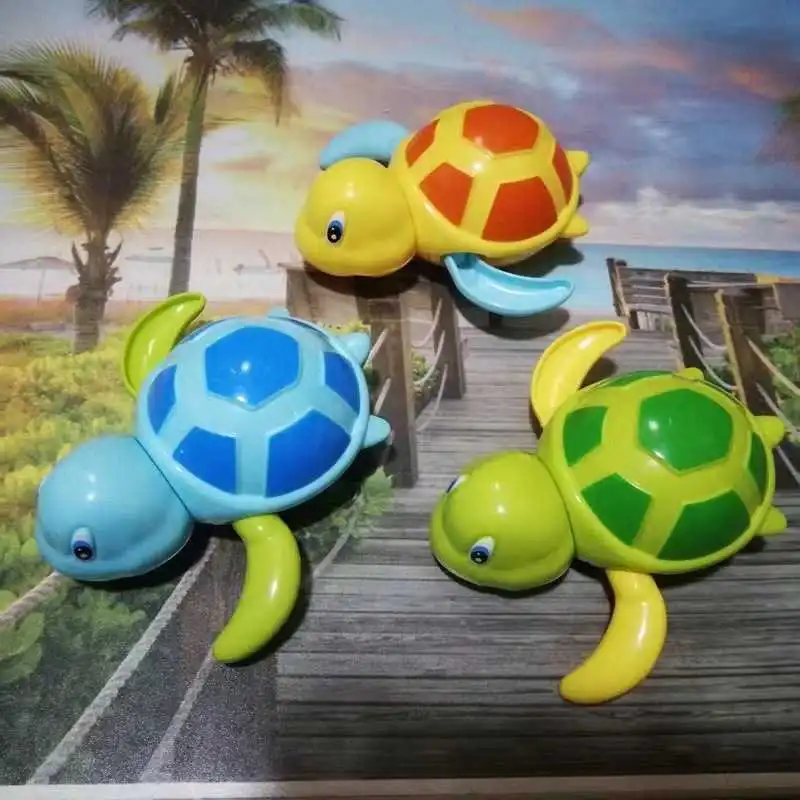
Wooden or plastic toy: which to choose? Both have their place. Wood is durable, aesthetic and ecological. Quality plastic (BPA-free) is lightweight, washable and colourful. What matters is the manufacturer's quality and compliance with standards.
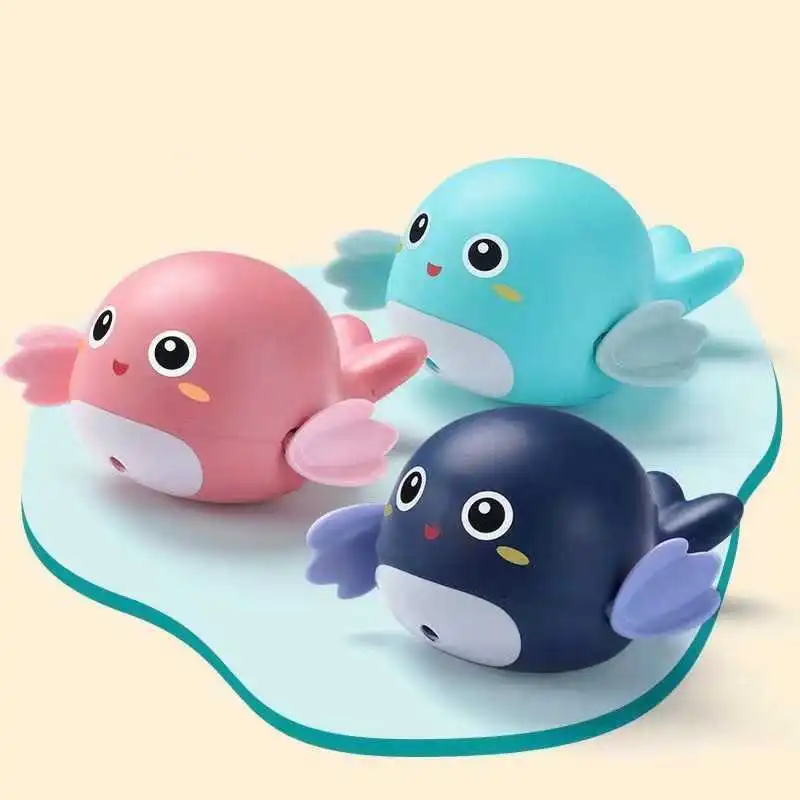
Are musical toys useful? In moderation. A simple cause-and-effect toy stimulates a baby’s understanding. But toys that are too bright and noisy can overstimulate them. A good balance: 70% simple toys, 30% interactive toys.
Manage your cookie preferences below:
Essential cookies enable basic functions and are necessary for the website to work properly. (No MARKETING)
These cookies are needed for adding comments on this website.
Google Tag Manager simplifies the management of marketing tags on your website without code changes.
These cookies are used for managing login functionality on this website.
Statistical cookies collect information anonymously. This information helps us to understand how visitors use our website.
SourceBuster is used by WooCommerce for order attribution based on user source.
You can find more information in our Privacy Policy and Privacy Policy.